Speaking of the characteristics of factory recirculating aquaculture, it is necessary to "high-density aquaculture".
In the limited water body, through a series of technical means and management measures, the breeding density will be increased by many times (such as the unit output of 100 pounds of fish per cubic meter of water), so as to maximize the economic benefits.
This is the charm of factory recirculating aquaculture
So the question is, how to effectively increase the density of breeding?
This paper will deeply analyze the key factors affecting the density of factory recirculating aquaculture from 6 aspects
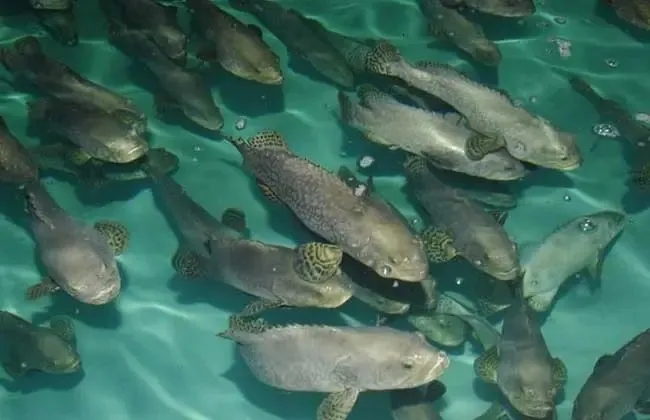
Strict seed
No matter what breed you grow, the seed is the key. Healthy, fast-growing and adaptable seedlings lay a solid foundation for subsequent breeding.
Therefore, breeders need to master a set of scientific and effective methods for identifying seedlings, including observing appearance characteristics (scales, mouth, eyes, fins, tail, etc.), activity behavior, body size, gill cover movement, production speed, disease detection, etc., to screen and assess their health status.
Optimize water quality
One of the advantages of managed recirculating aquaculture is the ability to control the water environment and key water quality parameters to optimise fish health and growth rates.
There are several important parameters regarding water quality: temperature, pH, dissolved oxygen, ammonia nitrogen, nitrite, hydrogen sulfide, alkalinity, and concentration of suspended particulates.
A water quality monitoring system can be introduced, and once an anomaly is found, the water quality should be restored immediately by adjusting the operating parameters of the system and using the corresponding equipment, and the water quality should be comprehensively tested regularly.
Precise feeding of bait
Bait is an important nutrient source of cultured species, and its quality and feeding level are directly related to the growth rate, yield and benefit of fish.
In high density breeding environment, feeding rate, feeding frequency and feeding method need to be precisely controlled. Farmers need to make a reasonable feeding plan according to the development of digestive organs, growth stage, feed quality and water quality indicators of cultured varieties.
At the same time, the use of advanced automatic feeding equipment is also an effective way to improve the efficiency of breeding, such as feeding system. The feeding system is responsible for automatically or manually feeding feed into the breeding tank to ensure adequate nutrition for farmed organisms. Through precise feeding control, feeding system can avoid feed waste and pollution of breeding tank, and improve breeding efficiency.
Increase dissolved oxygen supply
Adequate, continuous oxygen, oxygen supply is also the key to achieve high-density farming.
If the dissolved oxygen is supplied by aeration alone, the system can only support 40kg of fish (0.33lbs/gal) per cubic meter of water. However, if pure oxygen and efficient gas transport equipment are used to increase the concentration of dissolved oxygen, the culture density can be increased to more than 120 KGM /m³(i.e. 1lbs/gal).
Water circulation can be optimized, and efficient oxygenation equipment, such as water truck aerator and nano aerator, can be tried. These devices can increase the contact area between the water and the air, so that the oxygen in the air is better dissolved in the water, and provide adequate oxygen supply for aquaculture organisms.
Improve disease prevention and control
High-density farming should do a good job of disease prevention and control, once the disease spreads, it will bring huge losses.
Therefore, it is necessary to establish a sound aquaculture disease database and a scientific and effective virus early warning, monitoring and action mechanism, so that potential risks can be found in time and timely response.
Achieve intelligent and automated management Fine management is a key factor affecting the success of high-density farming.
Establish a complete set of standardized management system for aquaculture production, and introduce intelligent equipment such as automatic sewage discharge, automatic feeding, automatic sand tank and water quality monitoring to achieve accurate control of aquaculture environment, so as to improve aquaculture efficiency and product quality.
In summary, through strict seed selection, optimized water quality management, precise feed feeding, improved dissolved oxygen supply, virus prevention and control, and intelligent and automated management, factory recirculating aquaculture can significantly improve breeding density and achieve high yield and high income of aquaculture.