In the process of breeding, the appetite state of fish is one of the important indicators for farmers to judge their health status.
However, farmers will often encounter the problem of fish appetite loss, suddenly do not eat food or eat very little, which not only affects the growth rate of fish, but also may lead to the decline of their immunity, increasing the risk of disease.
Today, share the 4 reasons for fish appetite loss and countermeasures for your reference.
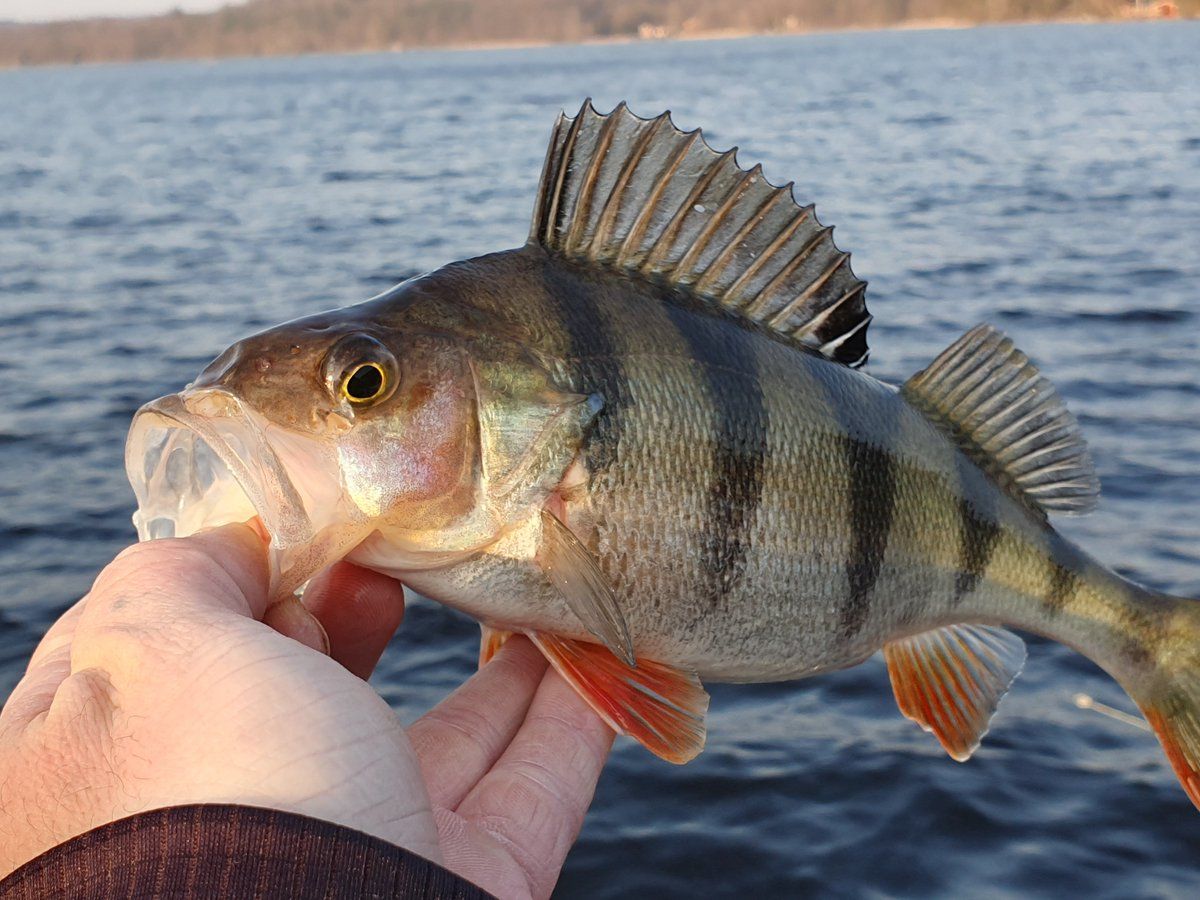
Fish lack of appetite reasons
1. Deterioration of water quality
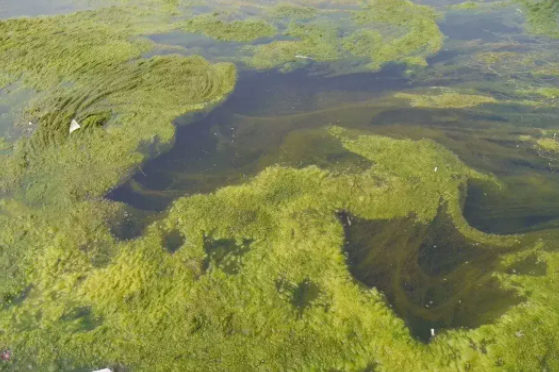
Excessive zooplankton: Large blooms of small zooplankton, such as protozoa and rotifers, consume dissolved oxygen in the water and eat most algae, resulting in a deterioration of water quality and loss of appetite for fish due to lack of oxygen.
Harmful algae: A large number of harmful algae such as cyanobacteria, dinoflagellates, and dinoflagellates will have adverse effects on fish, and even lead to poisoning and death in serious cases.
Lack of phytoplankton: Thin pond water lack of phytoplankton and beneficial microbial communities, material circulation is not smooth, easy to cause water oxygen and harmful substances exceed the standard.
2. Large temperature difference
The excessive temperature difference between day and night in autumn is easy to cause a drastic drop in the water surface temperature, forming density flow in the upper and lower layers of the water. The anaerobic water at the bottom carries a large amount of residual bait, feces and other organic matter at the bottom of the pool to flow to the upper layer, accelerating the consumption of dissolved oxygen in the water, resulting in the decline of dissolved oxygen in the water, thus affecting the feeding of fish.
3. Disease infection
When fish are sick, such as rotten gills, enteritis, bleeding, etc., because the body of the fish is in an unhealthy state, the damage of tissues and organs affects the digestion, absorption and utilization of nutrients by the body, resulting in anorexia of the fish, and even when the disease is serious, it is not open to eat or called "refusing to eat".
4. Feed problem
The feed is hard or the water dissolving time is too long, the feed deteriorates, the feed itself has poor superiority, the feed particle size is too large or too small, and the sudden refueling all affect the feeding of fish.
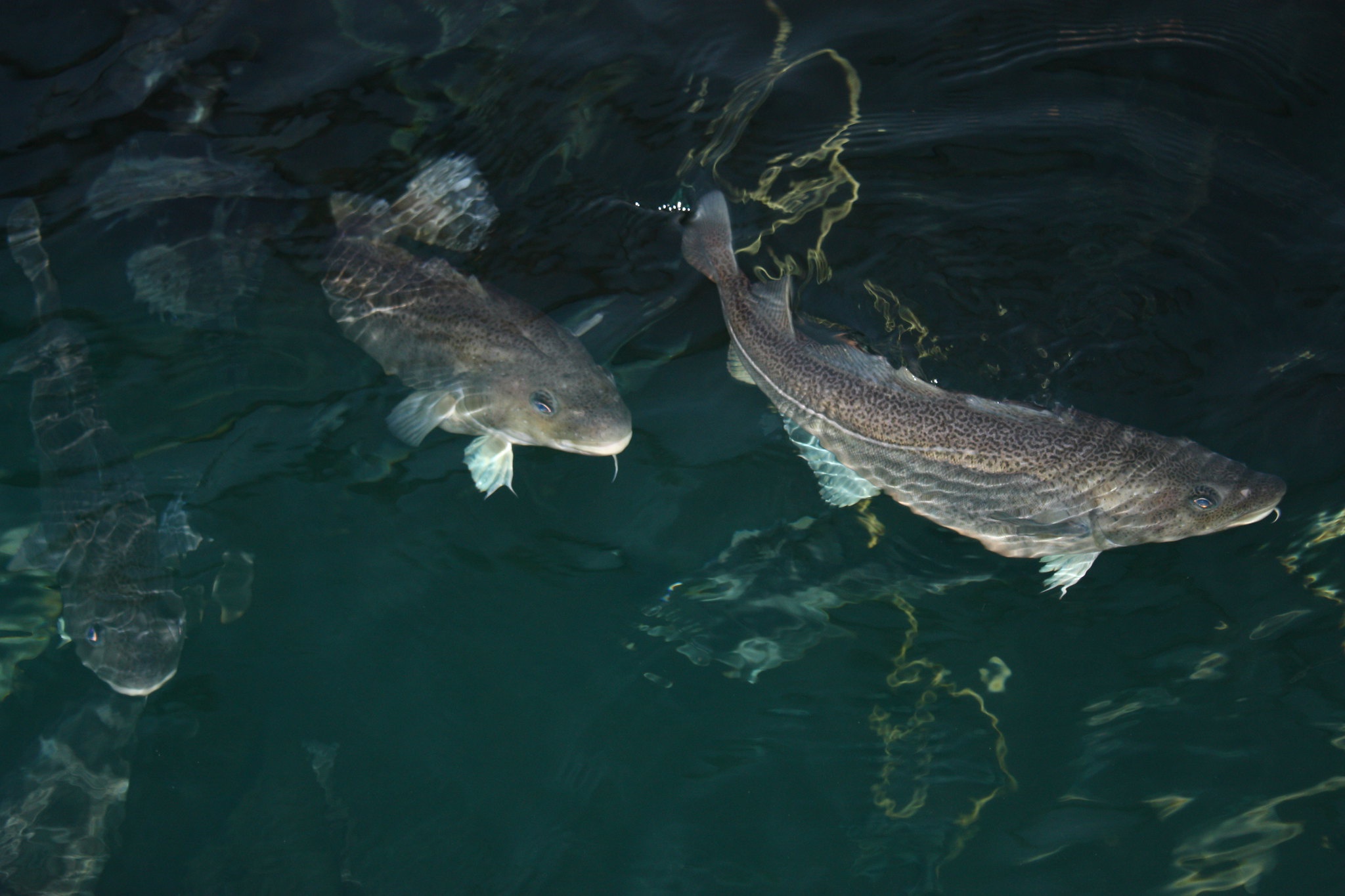
Coping measures
1. Improve water quality
Zooplankton control: For small zooplankton such as rotifers, copper sulfate can be used for partial killing; For large zooplankton such as cladicorns and copepods, crystal trichlorphon can be sprinkled along the edge of the pool in the early morning or evening.
Treatment of harmful algae: According to the type of harmful algae, different treatment, such as the use of plant ash to treat sponge, the use of copper sulfate to treat microcystis aeruginosa.
Increase phytoplankton: Add beneficial algal rich fertilizer water from adjacent ponds to the pond, or use biological fertilizer, inorganic fertilizer, and decomposed organic fertilizer throughout the pond.
2. Adjust the water temperature
Pay attention to weather information and adjust water temperature in time. Start oxygenating equipment, use anti-stress drugs such as immune polysaccharides, enhance the immunity of fish, and alleviate the stress response caused by sudden changes in weather.
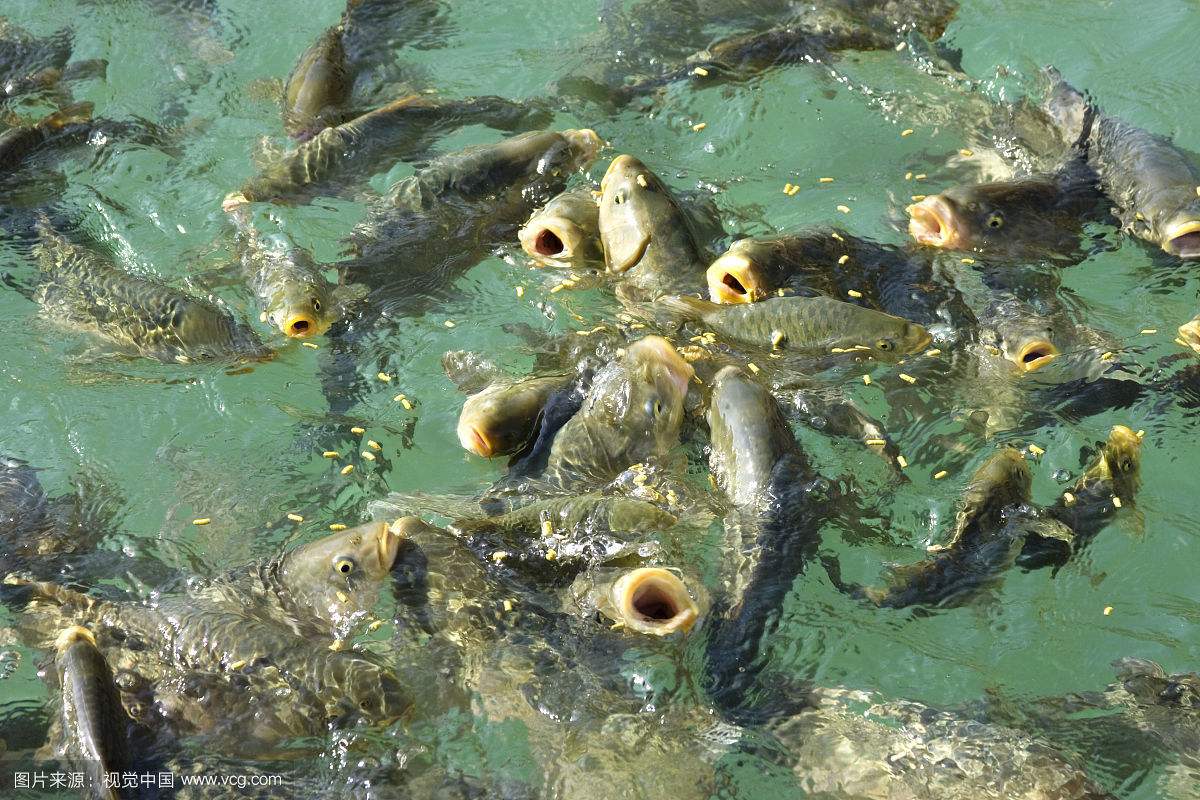
3. Disease treatment
Most of the time, we can see obvious symptoms from the body surface or gills and viscera of the sick fish, accompanied by more or less death of the sick fish.
The dying fish can be diagnosed, the cause determined, and targeted treatment.
For example, bacterial fish diseases should be killed with disinfectants; protozoan trichomyrus should be killed with trichomyrus trichomyrus or copper sulfate; worm trichomyrus and gyrodactylus should be killed with trichlorphon or 10% mebendazole; and methyl cyanine anchephalus 鳋 and Chinese 鳋 should be killed twice with pyrethroids or octyphos. Intestinal tapeworms were treated with trichlorphon or praziquantel, and other diseases were treated separately.
4. Optimize feed
Adjust the proportion of transition refuelling, adjust the feed formula, ensure that the feed nutrition is balanced, the feeding amount should be moderate, and avoid overfeeding.
Sum up
Loss of fish appetite is a common problem in aquaculture, only careful analysis and accurate judgment of its cause, in order to correct the disease, reduce losses as soon as possible.