In aquaculture industry, the feed coefficient is one of the important indexes to measure the efficiency of aquaculture. It is directly related to breeding costs and economic benefits.
Therefore, how to reduce the feed coefficient has become the focus of many farmers.
This article will introduce in detail several effective methods that have been proven in practice, aiming to help the majority of aquaculture farmers reduce the feed factor.
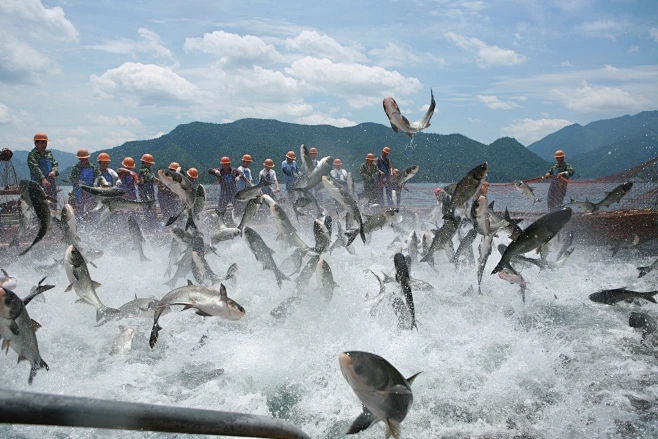
First, understand the bait coefficient
The feed coefficient, simply put, is the amount of feed required for aquatic animals to gain one unit weight. The lower the value, the higher the utilization rate of feed, and the lower the farming cost. Therefore, reducing the feed factor is the key to improve the efficiency of breeding.
Second, the effective way to reduce the bait coefficient
1, choose excellent varieties
The quality of seedlings is the key factor affecting the feed coefficient. The selection of good varieties with fast growth rate and high feed conversion rate can significantly improve the utilization rate of bait. For example, compared with common crucian carp, under the same feed conditions, the feed coefficient of pure breed carassius auratus can be reduced by more than 30%.
2. Establish a good water environment
The aquatic environment is crucial for aquaculture. In order to prevent water pollution, the water quality should be regularly monitored, and wild fish should be removed in time to keep the water clean and stable. At the same time, increasing the dissolved oxygen in water is also one of the effective measures to reduce the food coefficient. In the water body with sufficient dissolved oxygen, the food coefficient of fish will decrease significantly.
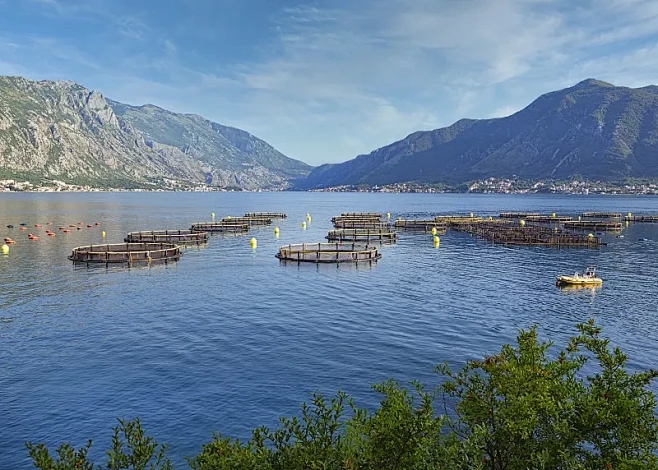
3, scientific and reasonable stocking technology
Stocking density, stocking quality and stocking operation methods all affect the feed coefficient. The appropriate stocking density should be determined according to the local climatic conditions, water quality and biological conditions. At the same time, choosing breeding objects with strong physique and strong appetite for stocking can also effectively reduce the feed coefficient.
4, choose the appropriate bait type
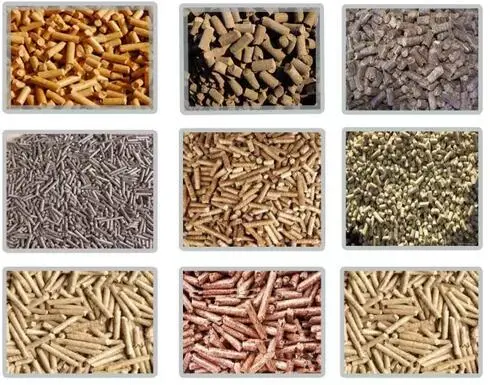
The selection of food has a direct effect on the food coefficient. It is necessary to select the high-quality artificial food suitable for the breeding object and pay attention to the nutrient ratio and processing technology. At the same time, attention should be paid to moisture-proof and mildew prevention in the storage of bait, and use it now to ensure the freshness and stability of bait. In addition, the feed should also have good palatability and inducibility to improve the feeding rate of the breeding object.
5, scientific feeding technology
Correct use of "four fixed" feeding method for feeding, that is, fixed time, fixed point, fixed quality, quantitative. Through reasonable feeding time and feeding amount, we can ensure that the breeding objects can fully digest and absorb the bait, so as to improve the utilization rate of the bait. In addition, in the feeding process should also pay attention to observe the feeding of the breeding object, adjust the feeding amount in time.
6. Prevention and control of diseases
The occurrence of disease will cause the breeding objects to stop feeding, and then affect the growth rate and feed coefficient. Therefore, prevention and timely treatment of diseases is one of the important measures to reduce the food coefficient.
7. Use enzyme preparations
Enzyme preparation can improve the digestibility of feed, reduce the unabsorbed nutrients, and thus reduce the feed coefficient. The utilization rate of feed can be significantly improved by adding proper amount of enzyme preparation.

Iii. Conclusion
Reducing the feed coefficient is a systematic project, which requires us to take comprehensive measures in many aspects, such as breeding technology, variety selection, water environment, stocking technology, feed type and feeding technology. Only in this way can we effectively improve the utilization rate of bait and reduce breeding costs.