The winter of 2024 is coming with a vengeance.
Since yesterday (November 25), the cold wave has continued to move eastward and southward, entering the main stage of cooling effects, and most of the central and eastern regions will hit new lows in the second half of the year.
In the next few days, temperatures in most parts of central and eastern China will drop by 6 to 10 degrees Celsius, including 12 to 14 degrees Celsius in northern North China, central Inner Mongolia and northeast China, and more than 16 degrees Celsius in local areas, the National Meteorological Center predicted.
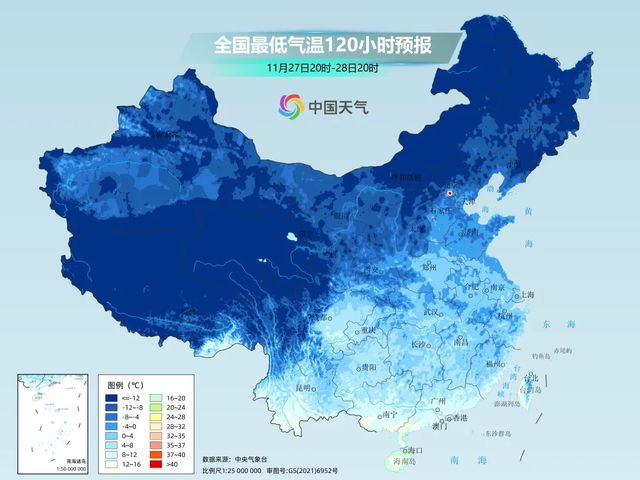
As the cold wind rises, aquatic people not only need to add clothes for themselves to keep warm, but also prepare for the winter of farmed varieties - fish, shrimp and crabs.
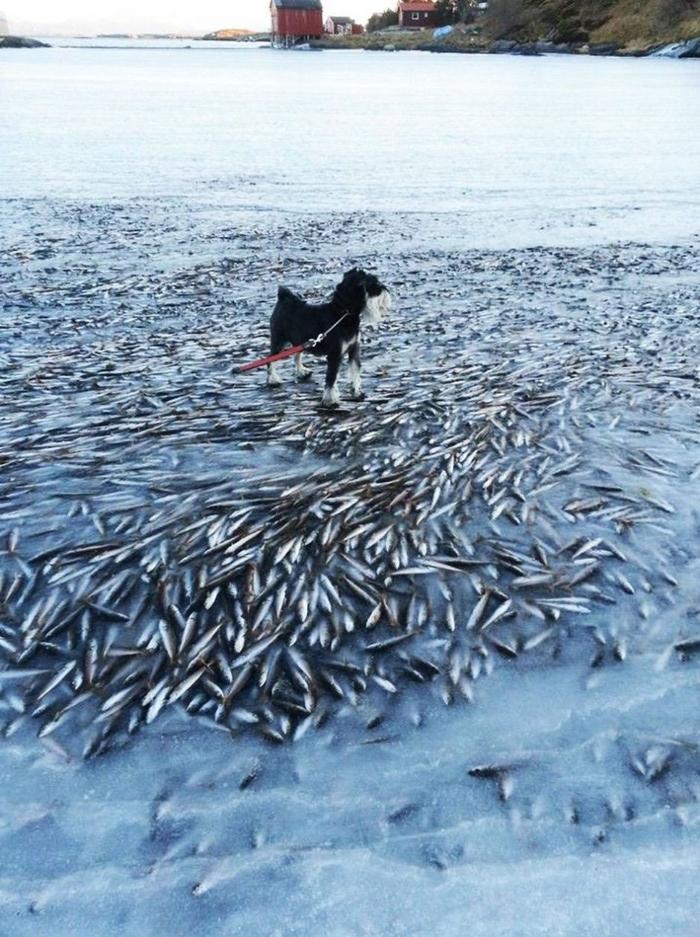
Compared with summer, the risk of various diseases is reduced in winter. However, the water temperature drops and the light decreases, and these changes have brought no small pressure on the growth and survival of cultured varieties.
The change of water temperature, dissolved oxygen and even water quality caused by sudden drop in temperature is easy to induce stress reaction.
Five strategies for surviving the winter safely
1. Strengthen water quality management
Water quality management is particularly important in winter. Water quality should be regularly tested to ensure that dissolved oxygen, pH and other indicators are within the normal range. Oxygenation equipment can be used to improve the dissolved oxygen in the water, while regularly changing the water to keep the water fresh.
2. Feed reasonably
Fish and shrimp have less appetite in winter, but that doesn't mean they don't need to eat. It is necessary to adjust the feeding amount reasonably according to the actual situation, choose a high-protein, easily digestible feed, and at the same time add some nutrient enhancers to the feed to improve its immunity and cold resistance.
3. Build insulation facilities
For open-air aquaculture ponds, thermal insulation greenhouses can be built or covered with thermal insulation film to reduce heat loss. At the same time, insulation materials can be laid at the bottom of the pond, such as straw, foam board, etc., to increase the temperature at the bottom of the pond.
4. Do disease prevention
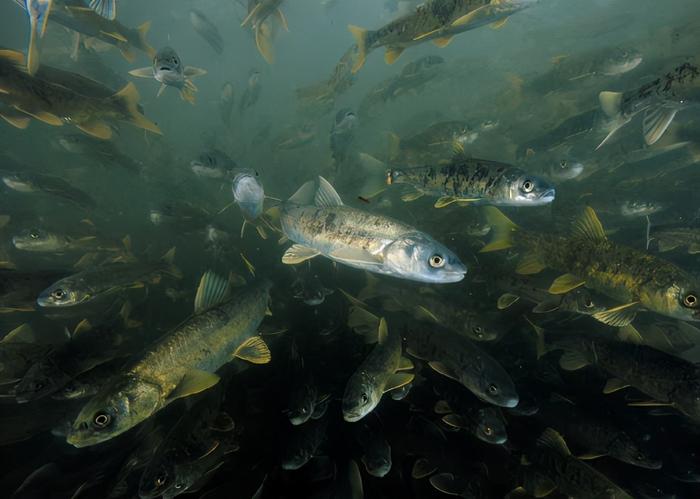
Although there are relatively few diseases in winter, it is not to be taken lightly. It is necessary to disinfect the aquaculture water regularly, and pay attention to the growth state of the fish, and deal with the abnormal situation in time once found.
5. Factory circulating aquaculture
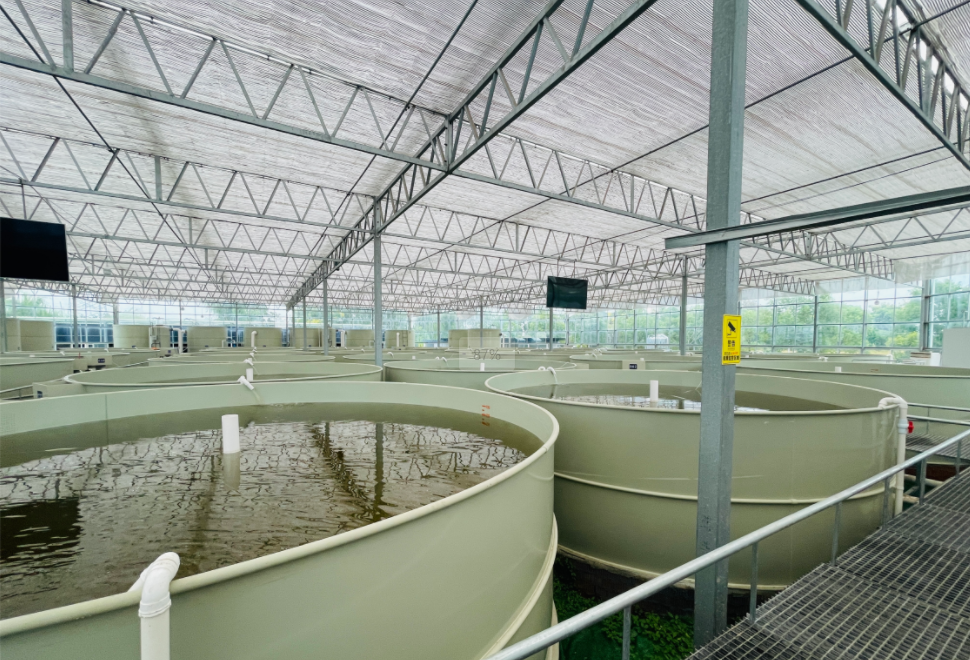
For farmers who have the conditions, they can consider the use of factory recycling aquaculture model. By controlling water temperature, water quality and other environmental factors, this farming mode provides a stable and comfortable growth environment for breeding varieties, and effectively avoids the influence of low temperature on breeding in winter.
This model implements indoor closed aquaculture, which not only effectively shields the direct impact of external meteorological fluctuations on aquaculture water, but also cuts off the way of external pathogens through air transmission. In addition, the system makes full use of intelligent technology equipment to achieve fine artificial regulation of the breeding environment and ensure a high degree of controllability and stability of the breeding conditions.
Winter aquaculture tips
Check the equipment regularly: Ensure the normal operation of the aerator, water pump and other equipment to avoid the deterioration of water quality caused by equipment failure.
Pay attention to the weather forecast: keep abreast of the weather changes, and take cold and warm measures in advance.
Keep water flowing: Properly turn on the pump to keep the water flowing, which helps to improve the dissolved oxygen in the water.