In the previous article, we introduced conventional processes for raw water pretreatment in aquaculture, including sand tank filtration and ultrafiltration technology.
This article will go on to introduce you to the other two important steps of raw water pretreatment: disinfection and aeration.
1. Disinfection
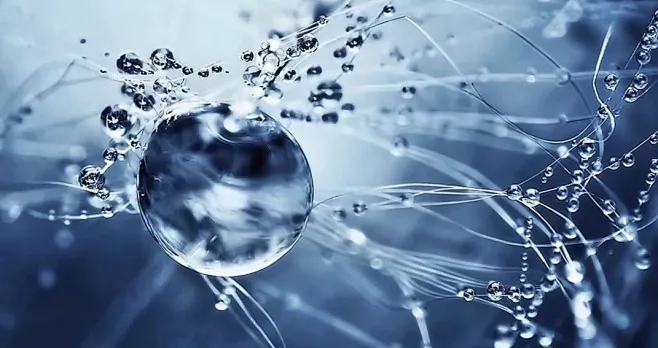
Disinfection is an indispensable part of raw water pretreatment. Through disinfection, we can kill pathogens and harmful microorganisms in water and ensure the safety of water quality. The following are several common disinfection methods:
Chemical disinfection
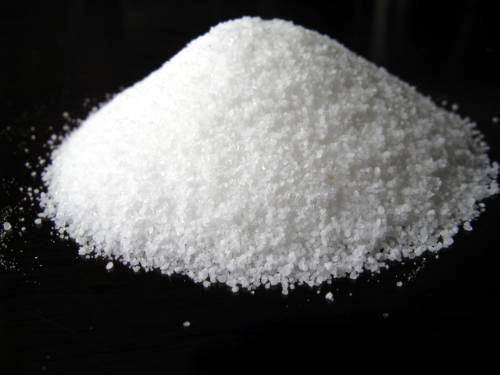
The traditional method of disinfection of water bodies is to put chemicals, such as bleach powder and chlorine preparations.
These agents can control pathogens in water to a certain extent.
However, it should be noted that the dosage and operation specifications of chemical agents need to be strictly controlled to avoid harm to breeding organisms.
Ultraviolet disinfection
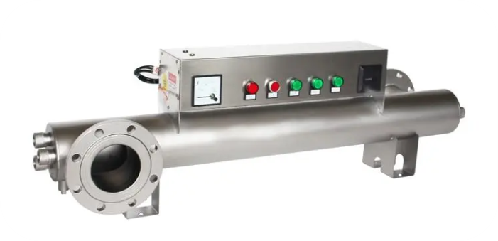
Uv sterilizers use ultraviolet light to kill viruses and bacteria in water.
It has the characteristics of fast sterilization (sterilization efficiency of 99.9% within 2 seconds) and no secondary pollutants.
Uv sterilizer is suitable for applications requiring high efficiency and no secondary pollution.
Ozone disinfection
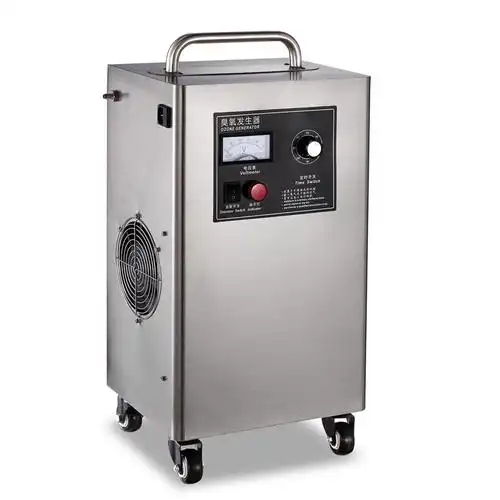
Ozone disinfection machine produces ozone by ionizing air, and ozone dissolves in water to form ozone water with efficient disinfection.
Ozone water can quickly kill pathogens and harmful microorganisms in the water, while increasing the dissolved oxygen in the water, effectively degrading nitrite, hydrogen sulfide and ammonia nitrogen and other harmful substances.
Although the cost of ozone disinfection is high, its high efficiency and environmental protection characteristics make it widely used in aquaculture.
Second, aeration
Aeration is another important step in raw water pretreatment. Its main purpose is to remove chlorine, increase dissolved oxygen and improve water quality.
Through aeration, we can introduce oxygen from the air into the water, increase th