Spring returns to the earth in April, and the temperature rises, which is a key period for aquaculture to cast a large number of seedlings and lay the foundation for the production season. However, at this time, the weather is changeable, and the cold and warm are alternating, which is easy to induce all kinds of diseases and bring huge losses to farmers.
So, what are the common aquaculture diseases in April? How to prevent and control scientifically? This article will be detailed analysis for you!
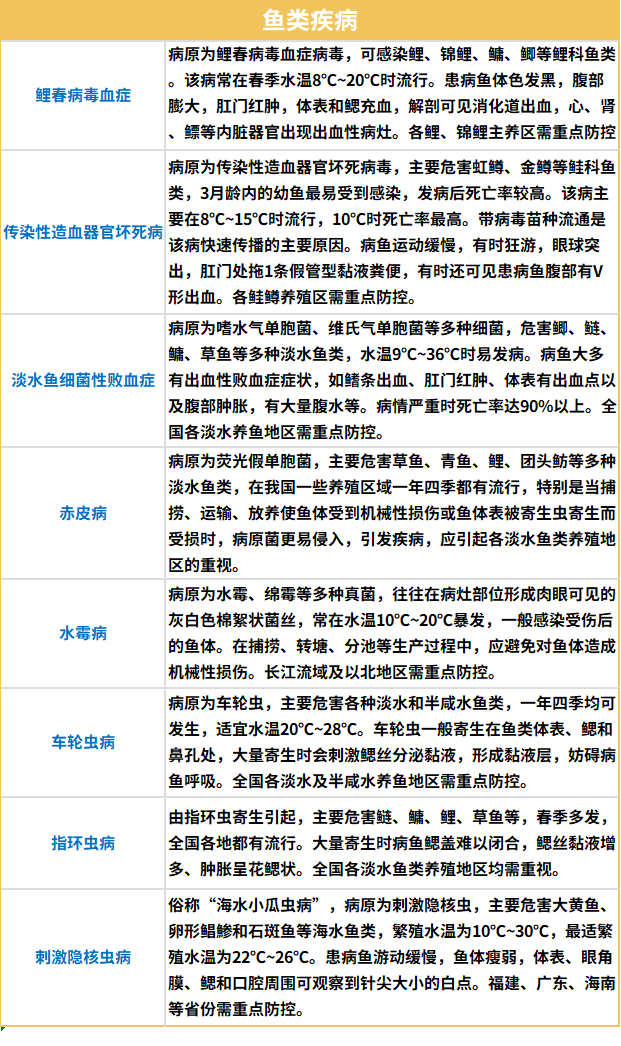
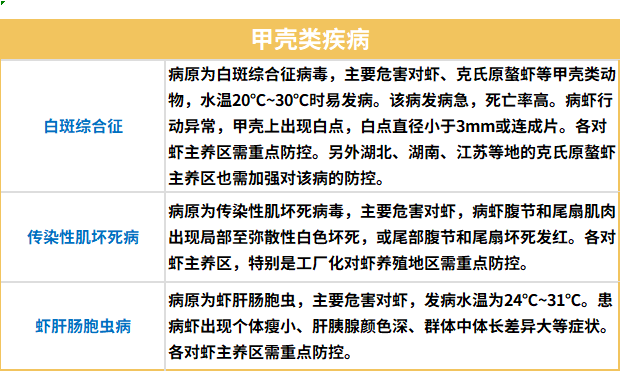
In April, aquatic people should focus on spring viremia of carp, infectious hematopoietic organ necrosis disease, bacterial septicemia of freshwater fish, erythroderma, water mildew, wheel worm disease, dactylogylosis, stimulated cryptocaryosis, white spot syndrome, infectious muscle necrosis disease, shrimp hepatocardiasis and so on.
Prevention and control measures
1. Pond cleaning and disinfection
About 20 days before the fry, it is necessary to desilting the pond, remove too much silt after sun exposure or freezing, only retain 15 to 20 cm thick silt, thoroughly remove weeds, sediment and residual organic matter, fully dry the bottom soil of the pond, kill latent harmful bacteria and parasites.
Start disinfection within 5 to 7 days after the end of the tanning pond, and evenly spread disinfectants such as quicklime or bleach powder in the pond. The specific amount needs to be flexibly adjusted according to the pond situation, in general, the amount of bleach powder per acre is 15-20 kg, and the amount of quick lime per acre is 100-150 kg.
2. Seed management
Select suppliers carefully, including inspection of supplier qualifications, on-site inspection to understand the production environment of fish, and inquire about breeding technology and parent fish sources. Observe fry condition, including appearance check, vitality test, check population consistency. Disinfection and anti-stress treatment should be done before planting.
3. Scientific feeding
According to water quality monitoring index, meteorological conditions and feeding behavior of aquaculture organisms, scientific selection of comprehensive nutrition compound feed. Priority should be given to recovery feeding, appropriate immune enhancers should be added to improve the stress resistance of the fish, and the feeding amount should be gradually increased to the normal level after the water temperature rises.
4. Strengthen disease surveillance
Do daily monitoring, check the fish body and water quality every day, record the feeding and activity abnormalities. Achieve early detection, quick disposal, non-proliferation, and harm control.