Factory-scale recirculating aquaculture is a modern aquaculture method that simulates the natural ecological environment through technical means to achieve high-density, high-efficiency and low-environmental impact aquaculture. It is known as "the most promising aquaculture model in the 21st century" and is an important direction and future development trend for my country's aquaculture transformation, structural adjustment, and low-carbon green development. The following is a detailed interpretation of factory-scale recirculating aquaculture:
1. Definition of factory-scale recirculating aquaculture
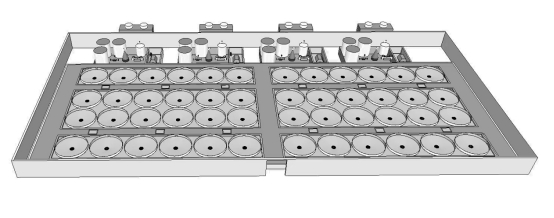
Factory-scale recirculating aquaculture is a highly intensive farming model that integrates aquaculture technology, modern industry and information technology.
2. Development stages of factory-scale recirculating aquaculture
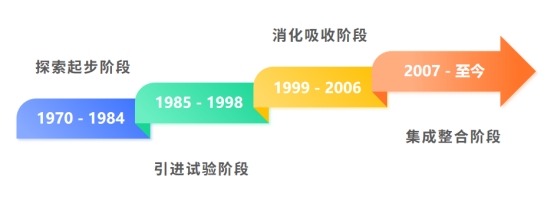
This model has gone through four major stages of development in our country.
The first stage was the exploratory start-up stage (1970-1984), when Shanghai and Beijing carried out closed-loop recirculating water fish farming experiments, and the prototype of my country's industrial recirculating aquaculture initially emerged.
The second stage was the introduction and trial stage (1985-1998). Shenzhen, Ningbo and Yingkou introduced recirculating aquaculture equipment from Germany and Denmark for eel farming, which promoted the independent research and development of water treatment equipment such as protein foam separators, biological filters, and automatic online water quality monitoring in my country.
The third stage was the digestion and absorption stage (1999-2006). During this stage, the stability and reliability of water treatment equipment were further improved, and a recirculating aquaculture system with independent intellectual property rights was initially built, gradually moving towards industrialization and large-scale promotion and application.
The fourth stage is the integration stage (2007 to present), during which aquaculture workshops, water treatment and aquaculture management systems suitable for my country were integrated and constructed, and a multi-species recirculating aquaculture model was gradually established.
3. Advantages of factory-scale recirculating aquaculture
1. Less water consumption, saving water resources;
2. Small land occupation and low requirements on land resources;
3. High breeding density, sufficient nutrition and growth environment make the breeding density much higher than traditional breeding methods;
4. The growth cycle is short, the growth environment is easy to control, and the breeding varieties grow fast and in a short cycle;
5. High feed utilization rate;
6. Water recycling, high utilization coefficient;
7. Reduce environmental impact, discharge less wastewater and waste, can be centrally treated, and have little or no pressure on the environment;
8. Not affected by external climate, year-round production is possible.

IV. Key technologies and equipment
Mechanical filtration system
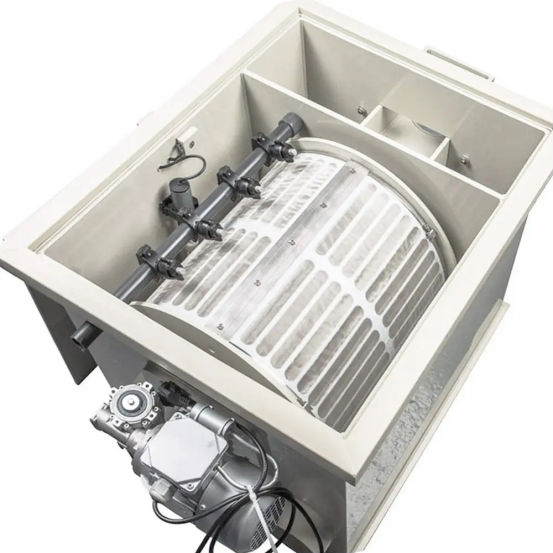
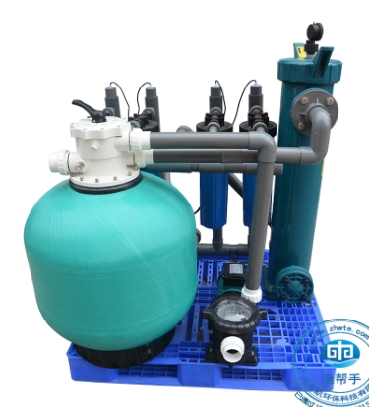
It refers to a water treatment system that first filters and disinfects water that has not been used in aquaculture ponds through water treatment equipment for multiple purification treatments before it enters the aquaculture pond. Commonly used equipment includes microfiltration machines, protein separators, etc.
Biological filtration system
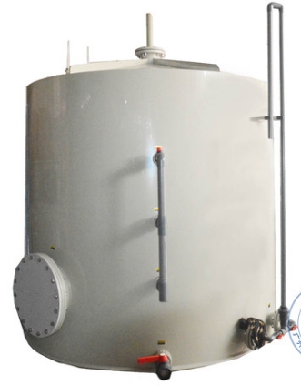
The biological filtration system is a key technical link in the water treatment system. It uses a specific biological culture device to cultivate beneficial bacteria, which can decompose harmful substances in the aquaculture water, thereby achieving the purpose of purifying the water quality.
Water quality monitoring system
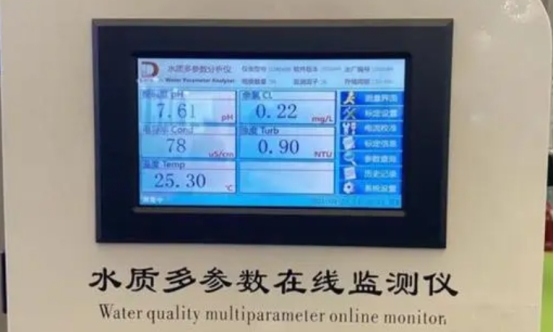
The online water quality monitoring system is a comprehensive online automatic monitoring system that takes online automatic analysis instruments as the core and uses modern sensing technology, automatic measurement technology, automatic control technology, computer application technology, and related special analysis software and communication networks. It can detect abnormal changes in water quality as early as possible, quickly issue early warnings to prevent downstream water pollution, and track pollution sources in a timely manner, thereby serving management decisions.
Disease prevention and control system
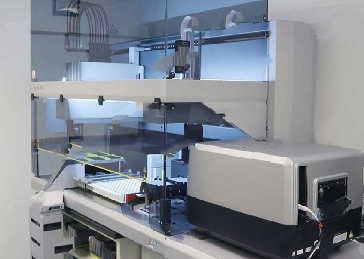
A set of overall management processes established to better prevent, monitor, control and manage diseases, including standardized operations such as detection, processing and data analysis.
Raw water treatment system
It refers to a raw water treatment system that first passes water that has not been used in aquaculture ponds through water treatment equipment for multiple filtration and disinfection and other purification treatments before it enters the aquaculture pond.
Intelligent digital monitoring system
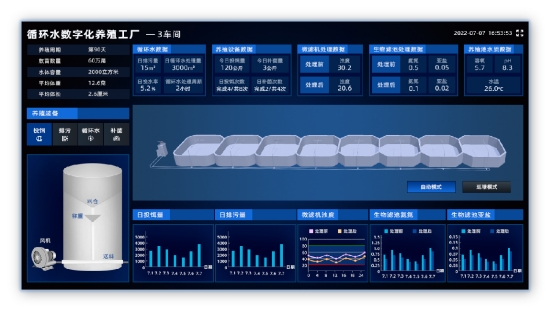
Including underwater monitoring and management monitoring, these monitoring data can be uploaded to the manager's computer or mobile phone in real time through existing Internet technology, realizing intelligent fishery management.
In addition, there are constant temperature systems, oxygenation systems, automatic feeding systems, etc. The selection and application of different technologies and equipment need to be comprehensively considered based on actual conditions.
4. Precautions for factory-scale recirculating aquaculture
1. Breeding density
The stocking density should be reasonably arranged according to the type and growth stage of the cultured organisms to ensure the growth and health of the cultured organisms. Too high a stocking density will lead to problems such as deterioration of water quality and increase of diseases, affecting the breeding benefits.
2. Feed management
It is necessary to select feed that meets the breeding needs and quality requirements, and formulate a reasonable feeding plan based on the growth stage and feeding habits of the farmed organisms.
3. Disease prevention and control
On the one hand, we need to strengthen the sanitation and disinfection of the breeding environment, and on the other hand, we need to use drugs rationally to avoid negative impacts on breeding organisms and the environment.