In recent years, with the continuous growth of market demand and the increasing improvement of farming technology, the Mandarin fish farming industry has ushered in unprecedented development opportunities. However, at the same time of rapid development, it also faces many challenges and problems. This paper will deeply analyze the current status of Mandarin fish farming, explore the existing problems, in order to provide feasible countermeasures for farmers.
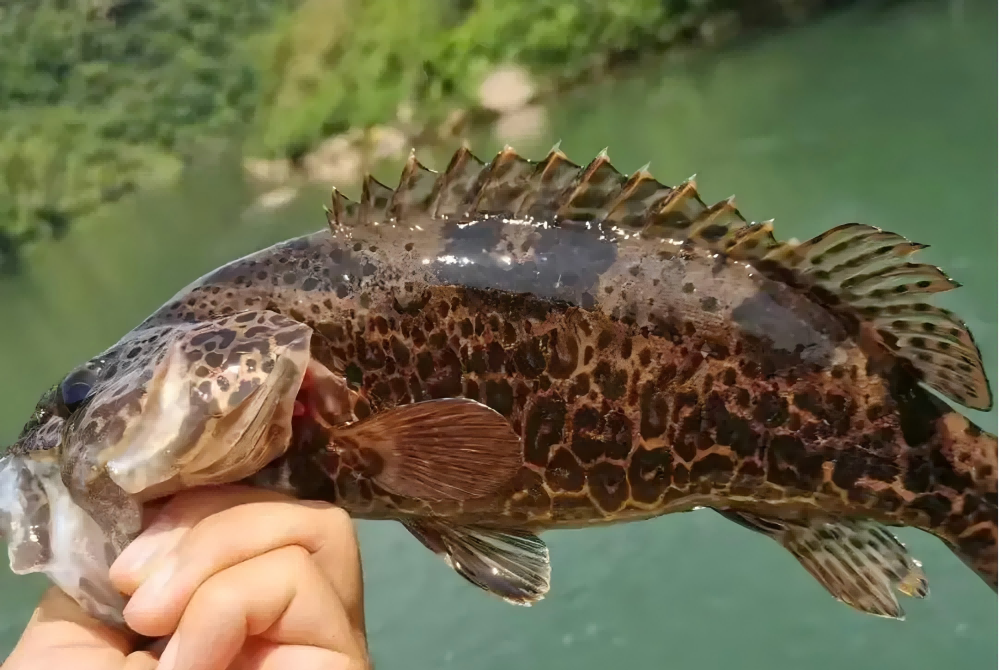
First, the status of Mandarin fish farming
1. The market demand is strong, and the breeding volume is growing steadily
In recent years, the Mandarin fish is deeply loved by consumers because of its delicious meat and rich nutrition, and the market demand continues to be strong. According to statistics, the amount of Mandarin fish farming in 2022 has exceeded 400,000 tons, an increase of 27% over 2018. The main breeding areas are concentrated in Guangdong, Hubei, Anhui, Jiangxi and Jiangsu, among which Guangdong's breeding volume ranks first in the country, accounting for 37%.
2. High profit and broad prospects for breeding
Under the background of continuous low or even loss of profits of general fish, special fish and crustacean aquaculture, Mandarin fish farming has shown extremely high profitability. Especially siniperca chuatsi, its breeding profit far exceeds other fish species, becoming the first choice for many farmers to transfer.
According to the national agricultural wholesale market price information system data show that from 2023 to 2024, the average market wholesale price of Mandarin fish is about 96 yuan/kg, up to 107 yuan/kg, with high economic value. In recent years, the price fluctuates greatly, but the overall trend is rising.
Second, the problem of Mandarin fish farming
1. Shortage of bait fish: the bottleneck of traditional farming
In the traditional Mandarin fish farming model, the sufficient supply of bait fish is the key to ensure the production and specification of Mandarin fish. However, with the expansion of the scale of farming, the acquisition of bait fish is becoming more and more difficult, and the cost is rising. In addition, the unstable quality and poor availability of bait fish have also seriously affected the growth rate and health status of mandarin fish.
However, with the continuous maturity of siniperca feed breeding technology and considerable profits, siniperca feed breeding has gradually become a hot spot in the current breeding industry. Through the artificial domestication technology, the Mandarin fish gradually adapt to feed culture and reduce the dependence on live food. Feed costs are relatively low and supply is stable, helping to reduce farming costs.
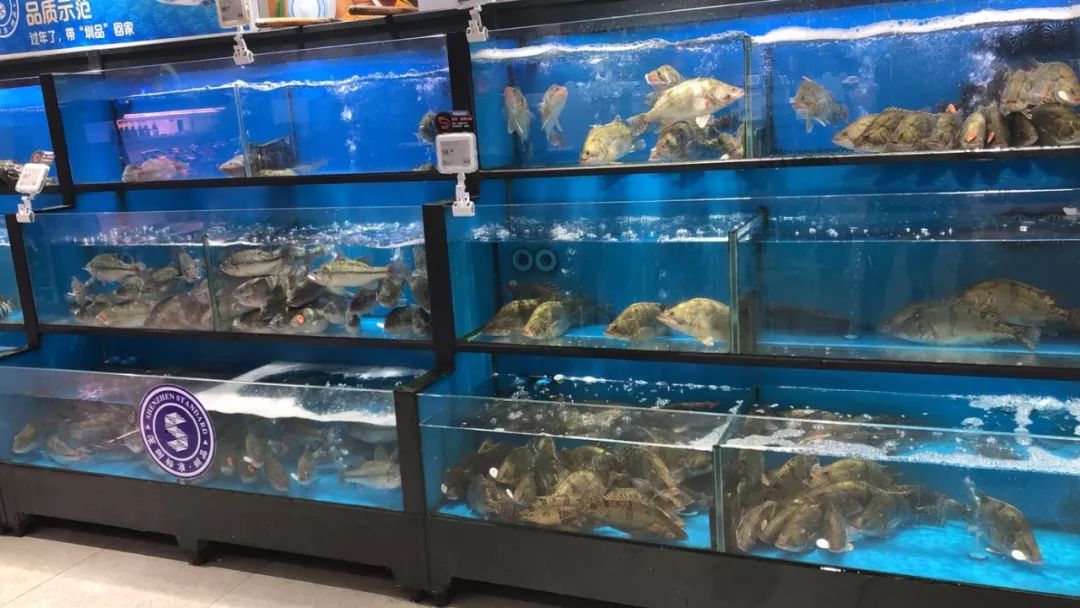
2. Frequent occurrence of diseases and pests: hidden worries of traditional farming
The disease resistance of Mandarin fish is relatively weak, once infected with diseases and pests, it is often difficult to cure, which brings huge economic losses to farmers. Because of the open environment and extensive management, the traditional pond farming mode is vulnerable to the invasion of germs and parasites. Especially in the rainy season, the pond water quality deteriorates, and diseases and pests occur frequently, which is a headache for farmers.
The factory farming mode can effectively prevent and control the occurrence of diseases and pests through scientific management and advanced technical means. The comprehensive use of closed plant design, circulating water system, temperature control system, oxygenation system and sterilization and disinfection system creates a stable and healthy growth environment for Mandarin fish. In such an environment, the disease resistance of Mandarin fish is significantly improved, and the occurrence probability of diseases and pests is greatly reduced.
Third, the new trend of Mandarin fish industry -- industrial circulating water culture feed Siniperca Chuatsi
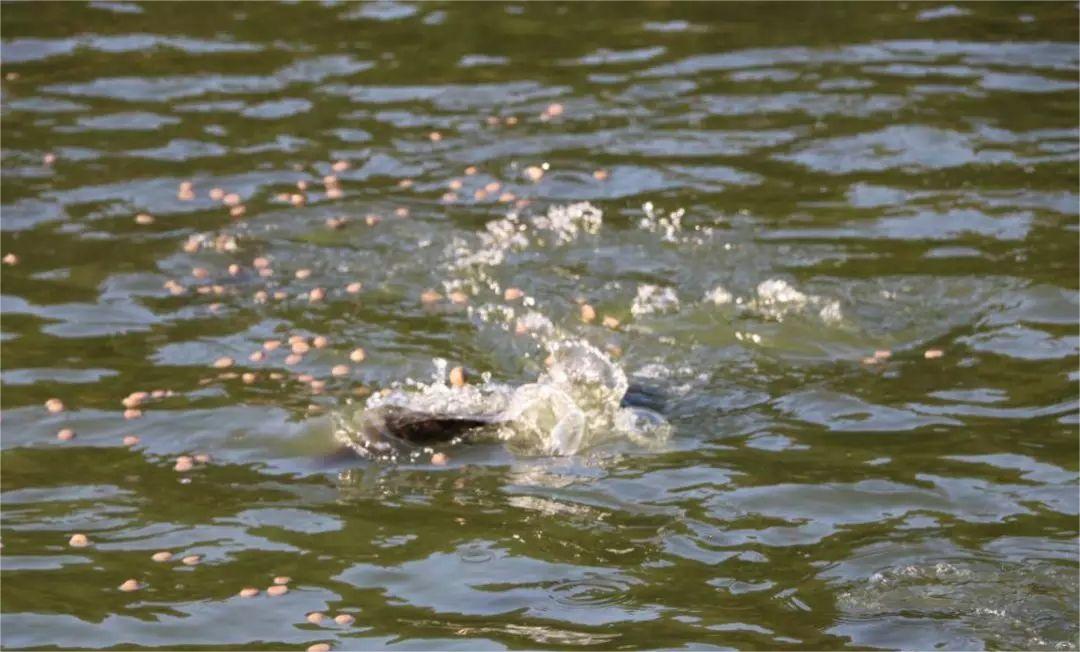
With its characteristics of high efficiency, high quality and environmental protection, factory farming has gradually become a new trend of Mandarin fish farming. Compared with traditional farming methods, factory farming has the following significant advantages:
High space utilization: Factory farming can be carried out in a relatively small space, greatly improving the utilization of land and water resources.
Short breeding cycle: Through scientific management and advanced technical means, factory farming can shorten the growth cycle of Mandarin fish and improve breeding efficiency.
High survival rate: the closed plant design and scientific management methods effectively reduce the mortality rate of mandarin fish and improve the survival rate.
Environmental protection and sustainable: The use of circulating water system reduces the discharge of aquaculture wastewater and reduces pollution to the environment. At the same time, the scientific feed ratio and feeding method also reduce the waste of feed and improve the utilization rate of feed.
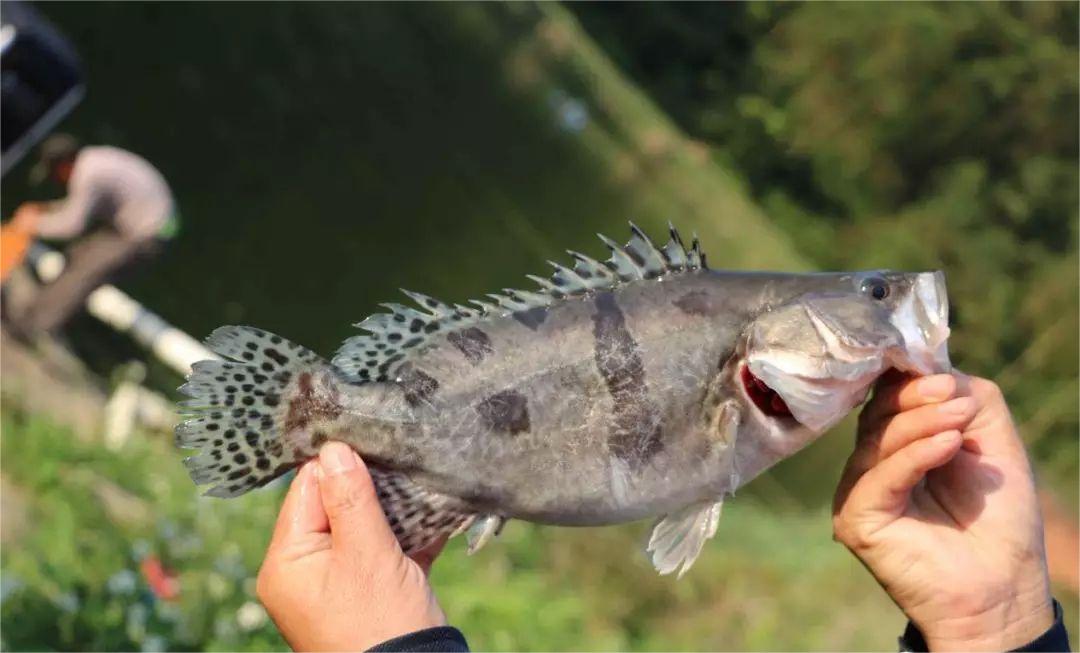
Faced with challenges such as shortage of bait fish and frequent occurrence of diseases and pests, the Mandarin fish farming industry must speed up the pace of transformation and upgrading. With its unique advantages, the factory farming model provides new ideas and solutions for the sustainable development of the Mandarin fish industry. In the future, with the continuous progress of technology and the continuous expansion of the market, factory farming will become the mainstream model of Mandarin fish farming, which will bring more abundant benefits and broader market prospects for farmers.
Let us work together to promote the transformation and upgrading of the Mandarin fish farming industry, and provide consumers with more high-quality and healthy aquatic products!