"Stress" is not a good word for aquatic people.
01 What is stress?
The stress response of fish, shrimp and other cultured species is a kind of non-specific physiological response to the abnormal stimulation of various environmental factors.
If the stress response is too strong, or the duration is too long, the cultured species will consume too much energy, resulting in a decline in body resistance.
Stress itself is not a disease, but it is highly likely to be the cause of one or more diseases!
Therefore, in the process of breeding, avoiding or reducing fish stress response is crucial to improve the efficiency of breeding and production efficiency.
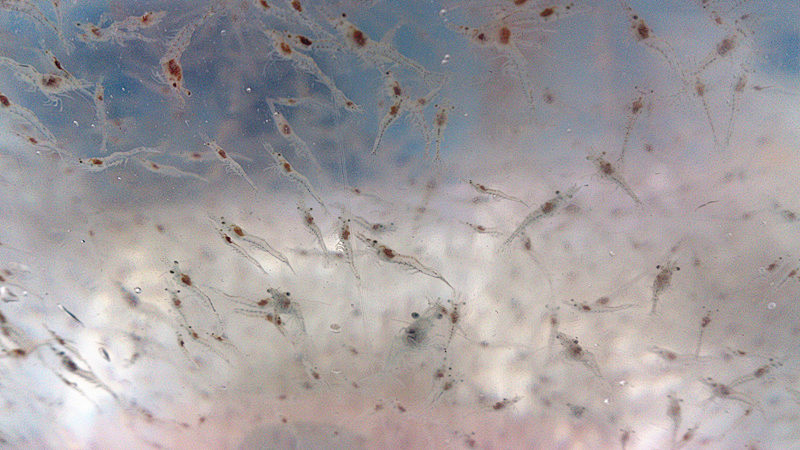
02 What are the factors that cause stress?
There may be many causes of stress in farmed fish, including water changes, improper feeding, physical stress, chemical stress and biological stress. To be specific:
1. Water body changes: water body hypoxia, PH value is too high or too low, ammonia nitrogen salt exceeds the standard, water body temperature difference is large, etc., may cause stress reaction of fish.
2, improper feeding: sudden change of feed in the middle of breeding, sudden increase of feeding amount or insufficient feed, may make the fish do not adapt to the problem of insufficient nutrition or excessive, and cause stress reactions such as anorexia and scrambling of fish.
3. Physical stress: physical factors or mechanical operations such as sudden changes in temperature, injection of new water, pulling nets, dividing ponds, and transportation may also cause fish stress.
4. Chemical stress: Factors such as too low dissolved oxygen in water, excessive pH, salinity beyond the adaptive range of fish, organic matter content, domestic sewage, industrial wastewater, pesticides, fish drugs and the pollution of fisheries themselves may cause fish stress.
5, biological stress: biological population density is too high, species collocation is not reasonable, pathogen infection, invasion of enemy organisms, etc., may also cause fish stress.
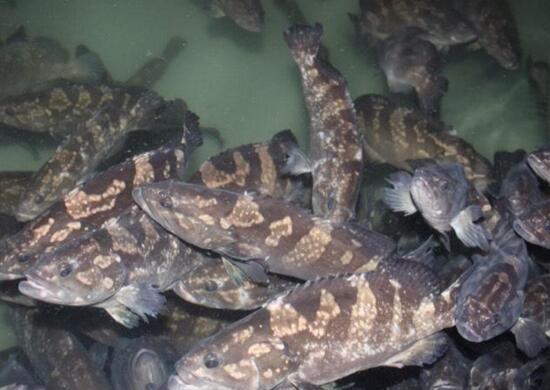
03 How to judge whether the cultured varieties are stressed?
1, appetite changes: stress usually affects the appetite of cultured varieties, such as a significant loss of appetite or complete cessation of feeding.
2, Behavioral changes: the cultured species shows grumpiness, hyperactivity or a sudden decrease in activity, and if these behaviors are observed, it may mean that the fish and shrimp are experiencing stress.
3, appearance changes: stress may cause changes in body appearance, such as color change, abnormal shape of fins, spots on the body surface, bacterial infection, etc.
4, growth conditions: stress may lead to growth retardation, if the growth rate of cultured varieties slowed down significantly, long-term can not be improved, need to pay attention to stress.
5, immune system: stress usually affects the immune system, after stress immunity is weak, susceptible to disease, or increased mucus, loose scales and other manifestations.
04 How to deal with stress reaction?
In the face of stress reaction, what we need to do is "prevention is greater than cure"! That is to enhance the ability of fish to resist stress.
The traditional soil pond culture still has many drawbacks in this respect, but the factory circulating water culture can solve this problem well.
1, choose anti-stress varieties: When choosing breeding varieties, give priority to those varieties with strong anti-stress ability.
2. Optimize water quality management: keep water quality clean and stable, regularly test and adjust water temperature, dissolved oxygen, pH, ammonia nitrogen, nitrite and other key parameters; The use of physical filtration, biological purification, sterilization and other technical means to remove harmful substances and pathogens in the water to ensure that the water quality meets the requirements of aquaculture.
3, increase water oxygen: ensure adequate supply of dissolved oxygen in the water body to avoid stress caused by hypoxia
4, reasonable feeding and nutritional control: according to the growth stage of fish and nutritional needs, scientific preparation of feed.
5, real-time monitoring and intelligent regulation: through the intelligent farming system, you can find and respond to environmental changes in time to reduce the risk of fish stress.