To do factory farming, the source and choice of water is an issue that cannot be ignored. A successful factory recirculating aquaculture base cannot be separated from high-quality water sources.
Therefore, when selecting aquaculture sites, the water supply must be thoroughly investigated and quantified, both in terms of quality and quantity, so that initial demand and expected future expansion can be met.
If water is insufficient, change the land quickly!
There are many types of water sources suitable for aquaculture, each with different advantages and disadvantages. In this article, we will introduce several common water sources and their advantages and disadvantages:
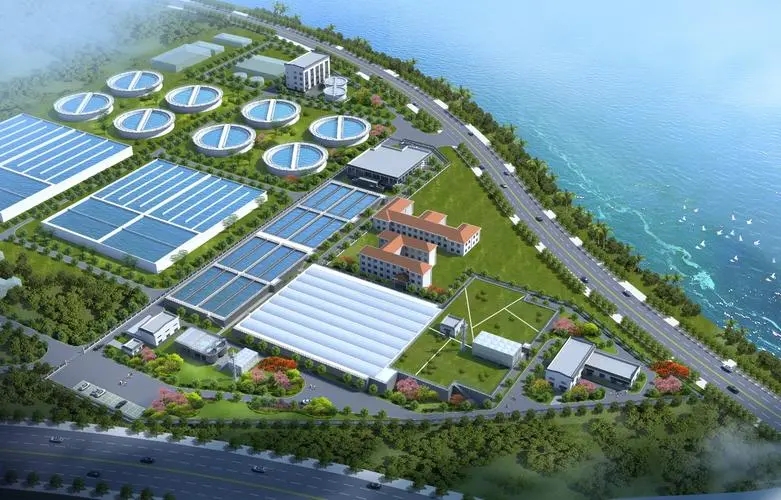
Surface water
Advantages:
Surface water is water that exists on the surface of the Earth's crust and is exposed to the atmosphere. Rivers, lakes, or streams are common surface water, and are usually large and low cost.
The surface water is in contact with the air for a long time, and the dissolved oxygen is abundant. It also contains certain plankton and mineral components, which is conducive to the growth of cultured varieties.
Weaknesses:
The water quality of river water, lake water and other surface water may be affected by many factors such as season, climate, pollution and so on, and the stability is poor.
In addition, there are more parasites, germs and harmful algae in water sources such as rivers and lakes, and the use of river water or lake water for aquaculture may face problems such as disease transmission and parasites.
Solution:
When using surface water, it is necessary to carry out appropriate purification and filtration to reduce the content of harmful substances.
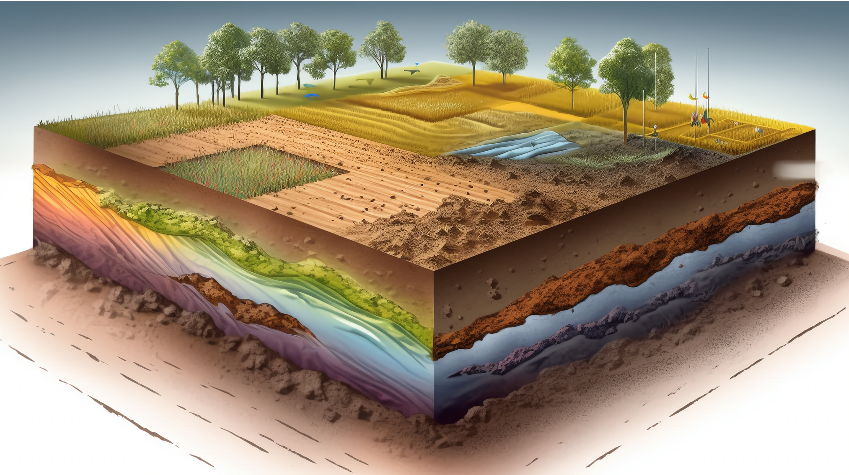
Underground water
Advantages:
Groundwater refers to the water in the rock void below the ground, because of the stable water quantity and good quality, it is one of the important water sources for agricultural irrigation, industrial mining and urban.
Groundwater is rarely polluted by human action, so there will be no parasites, bacteria, algae and other problems in the underground water source, and the water quality is relatively stable.
Weaknesses:
The disadvantage of groundwater, especially deep well water, is that it contains high concentrations of soluble toxic gases such as hydrogen sulfide, methane, and carbon dioxide. Most groundwater contains little or no dissolved oxygen because of the biological processes that occur in the return zone of the water layer. In addition, once pumped to the surface, groundwater is often supersaturated with nitrogen, argon, and carbon dioxide.
Solution:
Groundwater must be aerated and degassed to remove excess gas and oxygenate. High concentrations of dissolved iron ions are also a problem. After aeration, iron ions can be precipitated as iron oxide, which can be removed by particle filtration or sedimentation tanks.
Municipal water
Advantages:
Municipal water is treated and disinfected, and the water quality is relatively good, which can ensure the health of aquaculture organisms. At the same time, the municipal water supply is stable and easy to obtain.
Weaknesses:
Water sources are designed and treated to ensure human health, for example by adding chemicals such as chlorine (1.0mg/L) and fluorine. Chlorine is very deadly to fish, as low as 0.02mg/L can cause stress.
In addition, municipal water costs more and is not suitable for large-scale farming.
Solution:
Municipal water, if used in recycled water, must first be chemically neutralized (sodium thiosulfate to remove chlorine and chloramines) or filtered (activated carbon) to reduce chlorine and disinfectant levels.
Of course, the specific use of which water source, we have to measure according to the actual situation, whether it is groundwater, ground water or municipal water, as long as it can meet the needs of factory farming, it is good water.
This requires extensive testing of water samples before factory farms are built.
For example, the supply of water to most Wells is cyclical, so a specific flow value at a specific time obtained by a traditional well pump test can only represent a small period of time. However, in normal aquaculture activities, Wells pump water continuously. The result is likely to be that the actual water supply from the well is much less than the value obtained from the short-term test. Pump water continuously for at least two days, and then do a recharge rate test.
After careful investigation and research, the final choice of sufficient water, and pollution-free water as aquaculture water.