As the long, hot summer begins to fade, temperatures and water temperatures gradually drop in September, which brings the best growth period for aquaculture, but it also brings the risk of high disease.
To ensure the success of aquaculture, we need to anticipate possible diseases in advance and develop effective control measures.
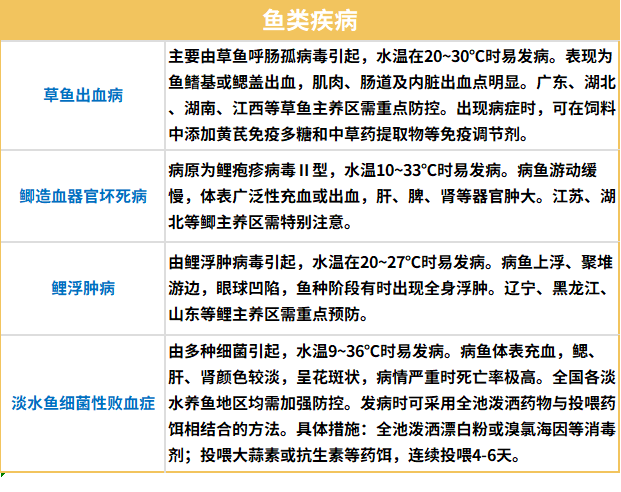
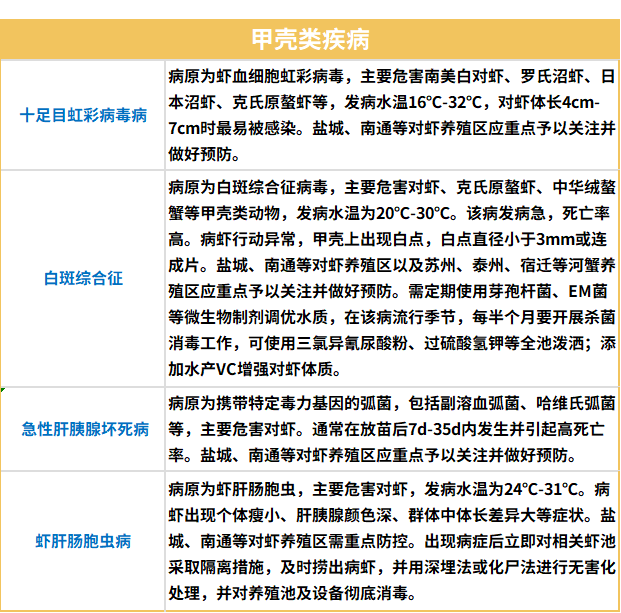
Here are some common diseases of fish and crustaceans:
Fish disease
Crustacean disease
In the face of aquaculture diseases, prevention is greater than control. So how can we prevent it?
1. Strengthen water quality management
Regular water change and disinfection: to keep the water quality of the pond fresh, regular water change and disinfection, to reduce the breeding of pathogenic microorganisms.
Scientific use of aerator: The use of aerator to promote water convection, improve dissolved oxygen, to avoid hypoxia flooding.
Water quality control: The use of substrate improvers or microbial agents such as EM bacteria to reduce the concentration of harmful substances such as ammonia nitrogen and hydrogen sulfide, and keep the PH value of the water body within the appropriate range.
2. Scientific feeding
"Four fixed, four look, one check" feeding method: timing, positioning, fixed quality, quantitative feeding, looking at the weather, looking at the water color, looking at aquatic animals eating, looking at aquatic animal activities, checking whether there is any residual bait underwater.
Feed additives: Before and after extreme weather, feed additives can be added to improve immunity, such as Astragalus immune polysaccharide, Chinese herbal extract, etc.
3. Disease prevention and control
Timely detection and quarantine: strengthen the routine disease detection of seedlings and cultured animals and plants, and prevent the occurrence of diseases from the source.
Drug control: According to the disease situation, the use of pollution-free fishing drugs for scientific control, avoid the use of prohibited drugs.
Reasonable density farming: Control reasonable density of farming to reduce the risk of disease transmission.
4. Other precautions
Strengthen pond patrol: frequently observe the feeding, activity and water quality of the breeding objects, find problems in time and deal with them.
Anti-escape anti-theft: For species that are easy to escape, such as crabs and turtle, pay attention to whether there are loopholes in the anti-escape Settings, and strengthen anti-escape and anti-theft patrols at night.
Market preparation: Timely fishing of listed specifications of aquatic products, make full use of holidays and other sales seasons, improve aquaculture efficiency.