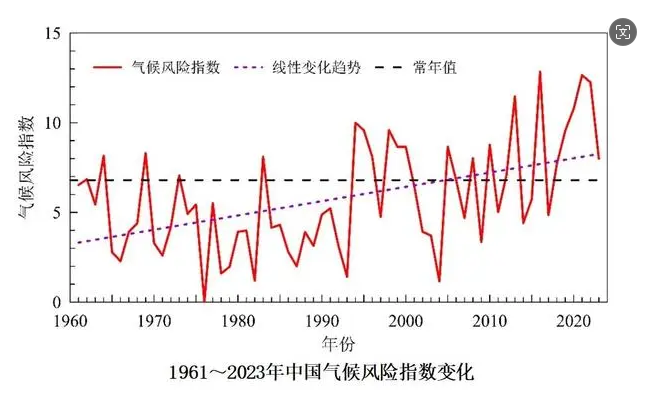
Extreme weather and climate events have occurred frequently in recent years due to various factors such as the atmosphere, hydrosphere and cryosphere, and China is a sensitive and significant area of global climate change, according to the Blue Book on Climate Change (2024) released by the China Meteorological Administration.
From the long-term change of weather, the number of extreme weather in China will become more and more frequent.
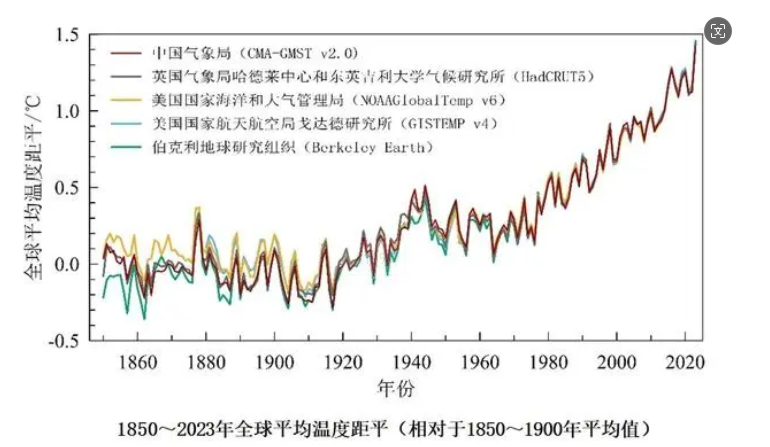
This has been demonstrated by the fact that in 2024, extreme weather events have appeared in many parts of the world, with high temperature and heat waves and heavy rains and floods in turn, bringing unprecedented tests to the global ecosystem and human society.
The aquaculture industry, as an industry closely linked to the natural environment, is the first to bear the brunt and suffer a huge impact.
More extreme weather: 2024 global temperature may hit a new high
This year, from the continuous scorching heat in the Northern Hemisphere to the torrential rain in the Southern Hemisphere, the frequent occurrence of extreme weather events has not only broken historical records, but also triggered widespread social concern and deep reflection.
The high temperature causes the water temperature to rise, the dissolved oxygen to fall, and the rainstorm brings a series of problems such as the deterioration of water quality and the damage of breeding facilities, which makes many traditional fish farmers miserable and suffer heavy economic losses.
Traditional fishery aquaculture: the dilemma in the wind and rain
Faced with the relentless blow of extreme weather, traditional fisheries are particularly vulnerable. Open farming models, such as ponds and cages, are highly dependent on the natural environment, and once they encounter extreme weather, breeding organisms will face a survival crisis.
High temperatures lead to the oxygen-starved death of fish, while heavy rains may lead to the spread of diseases and flooding of farming areas, affecting not only the yield and quality of farmed products, but also the livelihoods of farmers.
Factory recirculating aquaculture: a new hope for breaking the game
However, there are opportunities in the midst of crisis. As an innovative farming model, factory recirculating aquaculture is becoming a new way to avoid the impact of extreme weather and ensure the sustainable development of fisheries with its unique advantages.
Farming paradise that is not bound by weather: Factory recirculating aquaculture transfers the farming environment indoors, creating a stable and comfortable growth environment for aquatic organisms through artificially controlled conditions such as light, temperature and water quality. Neither heat nor cold, nor drought nor flood can affect this closed and sophisticated ecosystem, ensuring the healthy growth of farmed organisms.
Efficient use of resources, reduce environmental pressure: The circulating water system realizes the recycling of water resources, reducing wastewater discharge and environmental pollution. At the same time, precision feeding further improves breeding efficiency and product quality, and reduces production costs.
Strong disease prevention and control ability, to ensure product safety: the closed environment reduces the invasion of external pathogens, combined with regular water quality monitoring and disease prevention measures, can effectively reduce the incidence of disease in aquaculture organisms, to ensure the quality and safety of aquaculture products.
Flexibly respond to market changes and enhance anti-risk ability: The factory circulating aquaculture model can flexibly adjust the breeding varieties and scale according to market demand, and quickly respond to market changes. In the context of frequent extreme weather, this flexibility is particularly important to help farmers effectively avoid market risks and ensure the stable development of the livestock industry.
Factory recirculating aquaculture, as an important direction of modern fishery transformation and upgrading, not only provides an effective means for aquaculture to resist extreme weather, but also contributes an important force to ensure food safety and promote sustainable agricultural development. In the coming days, let us work together to draw the grand blueprint of intelligent farming with science and technology as the wing.