Aquaculture ponds are the growth space of the whole life cycle of aquaculture organisms, and are also the key infrastructure of recirculating aquaculture systems.
Previously, we talked about the shape of the aquaculture tank, among which, the circular pool has the advantages of more uniform dissolved oxygen distribution, more stable water flow pattern, and more superior water collection effect, which has become the most suitable pool shape for circulating aquaculture at present.
Today, let's talk about another important factor of breeding ponds - materials.
What are the common aquaculture tank materials? What are the advantages and limitations of each? Which one is better for factory farming?
This article on the above problems to do a collation and analysis, hope to aquaculture construction play a certain role in helping.

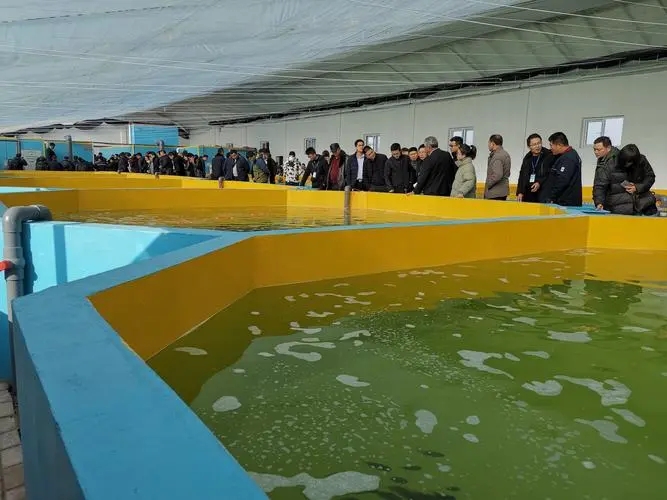
Cement pit
Advantages: durable, long service life, able to withstand heavy loads, and not easily affected by environmental factors, but also flexible design shape and size according to specific needs.
Limitations: The construction process is relatively complex and the construction period is long; In addition, the cement pool is prone to problems such as cracking and leaking during use, and the maintenance cost is high.
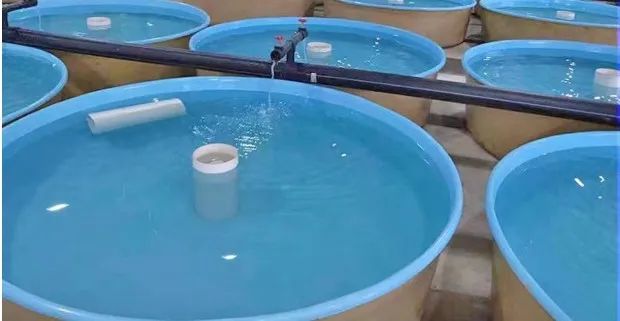
Polyethylene (HDPE) pool
Advantages: good water resistance and chemical corrosion resistance, little impact on water quality; Easy to install, moderate cost; Smooth surface, easy to clean.
Limitations: Due to its soft and malleable material, polyethylene tanks need to be supported on the bottom or sides; Another big problem is that the watertight connection between the side wall and the bottom is difficult to do well, and the connector accessories are more expensive.
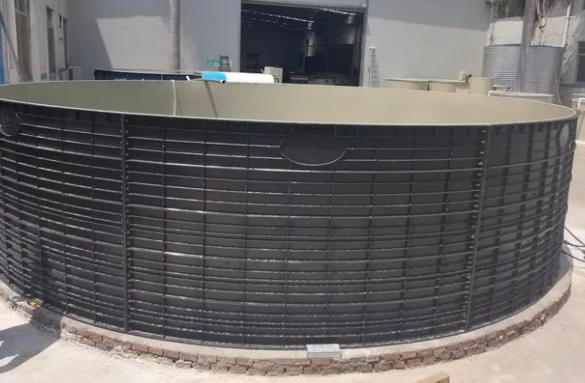
Glass reinforced plastic (FRP) pool
Advantages: Flexible material, easy to cut, drill and connect; High strength, corrosion resistance, smooth surface is not easy to adhere to pollutants, easy to clean, can be customized according to demand shape.
Limitations: High cost, installation and maintenance require professional skills, difficult to transport; The resistance to impact is weak.
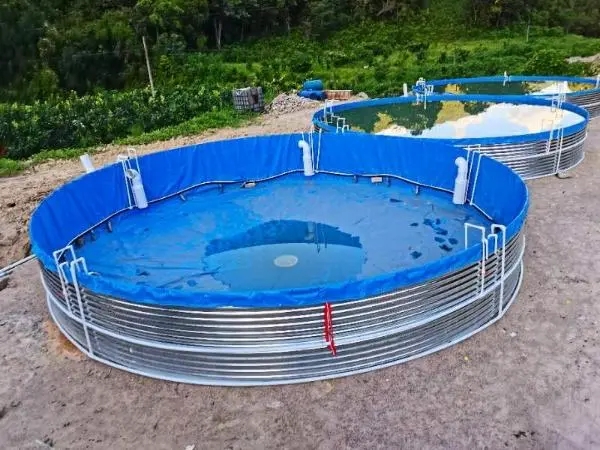
Canvas pond
Advantages: Usually made of durable PVC or nylon material, lightweight, easy to handle and install; The cost is lower.
Limitations: Poor durability, long-term UV exposure and frequent use can cause the material to age, and then leak or tear; The waterproof cloth is prone to folds and serious sludge deposition; The insulation performance is poor, and the water temperature is affected by the environment.
PP pool
PP pool is usually made of polypropylene material, which has the characteristics of corrosion resistance, high temperature resistance, ultraviolet resistance and so on, and has strong stability.
The sealing of the PP pool is good, which helps to maintain the stability of the water quality and reduce the risk of external pollution and disease transmission. In addition, its smooth surface is easy to clean and maintain, which can effectively prevent the growth of bacteria and provide a healthy growth environment for fish, shrimp or other aquatic organisms.
Another advantage is its durability. PP pool can withstand a certain pressure and weight, not easy to deformation or rupture, reducing the cost and time of equipment damage and maintenance.
Moreover, the installation of PP pool is simple and fast, and the size and shape can be flexibly adjusted according to the breeding scale, which is very suitable for factory circulating aquaculture.
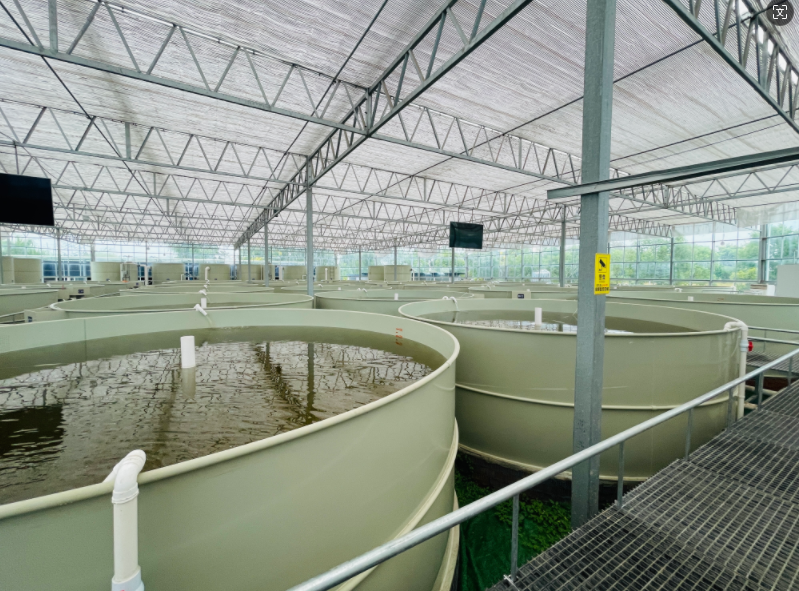
In general, when selecting breeding tank materials, it is necessary to decide according to the specific breeding conditions, investment budget and long-term planning.
If the budget is low and you plan to do temporary or small-scale farming, you can use a canvas pond; Cement pond is suitable for complex breeding environment; If you do factory farming, priority is given to PP pool, which can be quickly built and put into use, efficient and environmentally friendly!