Eel is a kind of freshwater fish widely distributed in all parts of our country. It is a kind of benthic fish, like to live in fresh and brackish water, inhabits rivers, lakes, ditches, rice fields, belongs to the carnivorous fish, its main prey including insects and larvae, small fish and fish eggs.
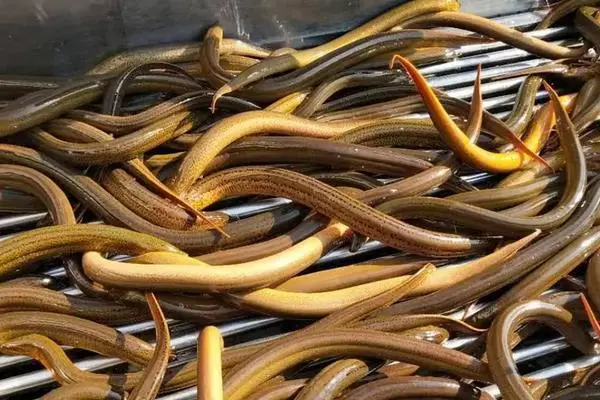
Eel is a kind of favorite edible fish with delicate meat and delicious taste. And high protein, low fat, rich in A variety of trace elements, such as DHA, lecithin, vitamin A, etc., has a high nutritional value.
In addition, eel is also a kind of food material with medicinal value. According to ancient books such as Compendium of Materia Medica, eel has many effects such as replenishing blood, invigorating qi, anti-inflammatory, dehumidifying, etc. It has a certain auxiliary effect on the treatment of diabetes, rheumatism and other diseases. At the same time, it is also rich in DHA and lecithin, which has a positive effect on brain development and memory improvement, and is suitable for people of all ages.
In other words, the nutritional value, edible value and medicinal value of eel are very high.
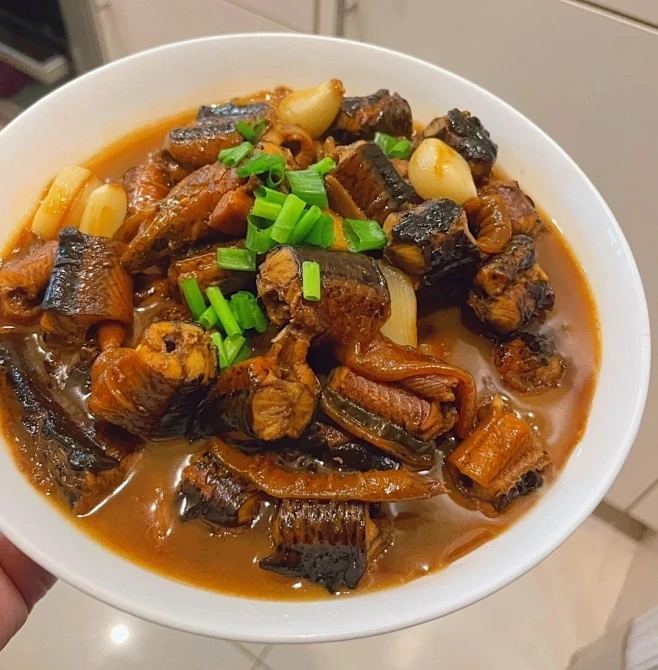
In recent years, with the improvement of people's living standards and the enhancement of health awareness, the market demand for eel continues to grow. However, due to the increasingly scarce resources of wild eel and the limitation of breeding technology, the annual yield of eel in China is far from meeting the market demand.
This is also the reason for the high price of eel, from the price changes can be seen that its price rises year by year, especially during the Spring Festival and other consumption season, the price of eel is rising, becoming a tight commodity in the market.
At present, there are three kinds of artificial culture modes of eel, which are paddy field culture, cement pond culture and cage culture. Each model aims to simulate the ecological conditions of eels in their natural environment.
Although these methods meet the market demand to a certain extent, there are many pain points and problems. If the temperature is limited (the temperature is higher than 30℃ or lower than 15℃ to eat less, higher than 32℃ or lower than 10℃ to stop eating), water pollution is serious, disease prevention and control is difficult, and breeding benefits are unstable. In addition, traditional farming methods also face challenges such as limited land resources and serious feed waste.
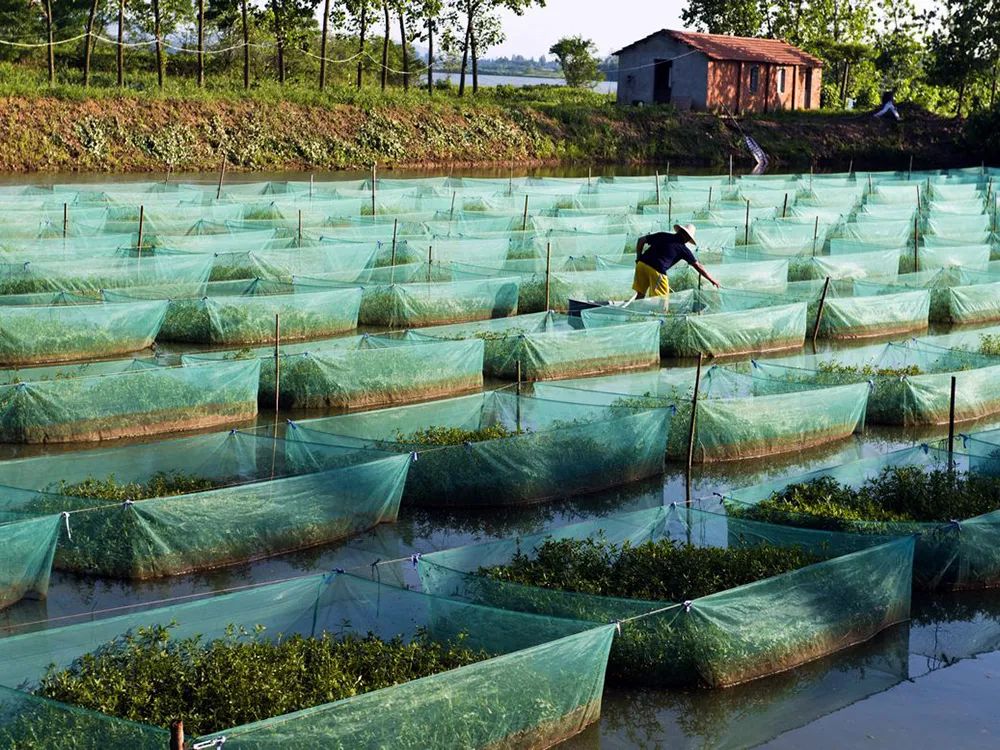
In order to overcome the disadvantages of traditional farming methods, industrial recirculating water culture eel came into being. This method of farming has significant advantages:
1. Precise control, excellent water quality
The industrial recirculating aquaculture system achieves precise control of water quality through advanced filtration, disinfection, oxygenation and other equipment, providing a stable and healthy growth environment for eel. This greatly reduces the incidence of disease and improves the survival rate of breeding.
2. Resource saving and environment friendly
Compared with the traditional farming mode, the factory recirculating aquaculture greatly saves land resources and water resources. The water body recycling in the system reduces the waste of water resources, reduces the pollution to the environment, and realizes the green breeding.
3. Improve efficiency and stabilize output
In a closed environment, the growth cycle of the eel is shortened, and it is not disturbed by the external environment. Through scientific feeding and disease prevention and control, the breeding density and yield of eels have increased significantly. The per unit yield of eels in each square meter can reach 50 jin, and the maximum yield of eels in one mu of water can reach 30,000 jin! To provide a stable, high-quality supply for the market.
4. Intelligent management to reduce costs
Modern factory farming integrates advanced technologies such as the Internet of Things and big data to realize remote monitoring and intelligent management of the farming environment. This not only reduces labor costs, but also improves management efficiency. Accurate data analysis can also help farmers adjust breeding strategies in time, optimize resource allocation, and further reduce costs.
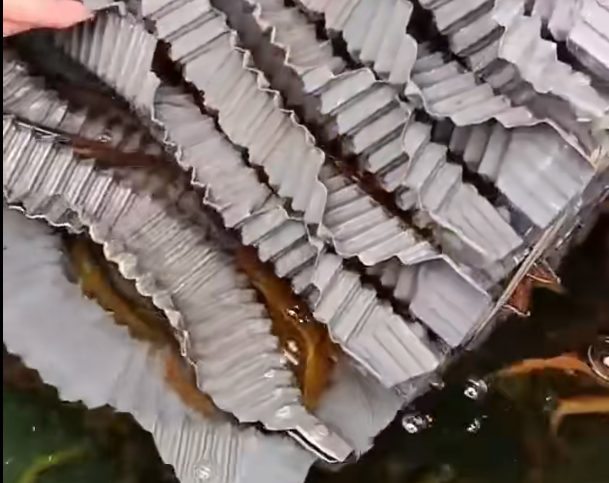
The industrial recirculating water culture eel has brought new development opportunities for the eel farming industry with its unique advantages. With the continuous progress of technology and the continuous expansion of the market, it is believed that this farming method will be more widely used and promoted in the future, and inject new vitality and hope for the eel farming industry.