With its characteristics of high efficiency, environmental protection and controllability, the factory circulating aquaculture model has brought unprecedented changes and advantages to the aquaculture industry.
However, in addition to the adult fish farming we are familiar with, the use of factory recirculating water farming model to raise seedlings also has the advantage of a unique day.
Today, we will take a look at the factory recirculating aquaculture model seedling (hereinafter referred to as the seedling RAS system) and its advantages.
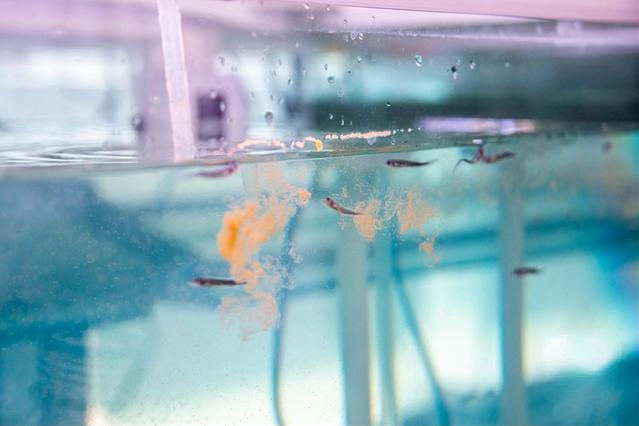
What is the Seedling RAS System?
The seedling RAS system is a seedling system that treats aquaculture water bodies in a closed or semi-closed environment by physical, chemical and biological methods so that they can be recycled into aquaculture. The seedling RAS system is widely used in various aquaculture fields, such as the cultivation of fish, shrimp, shellfish, crabs and other seedlings. It is especially suitable for conservation breeding of rare and endangered species and rapid expansion of commercial varieties.
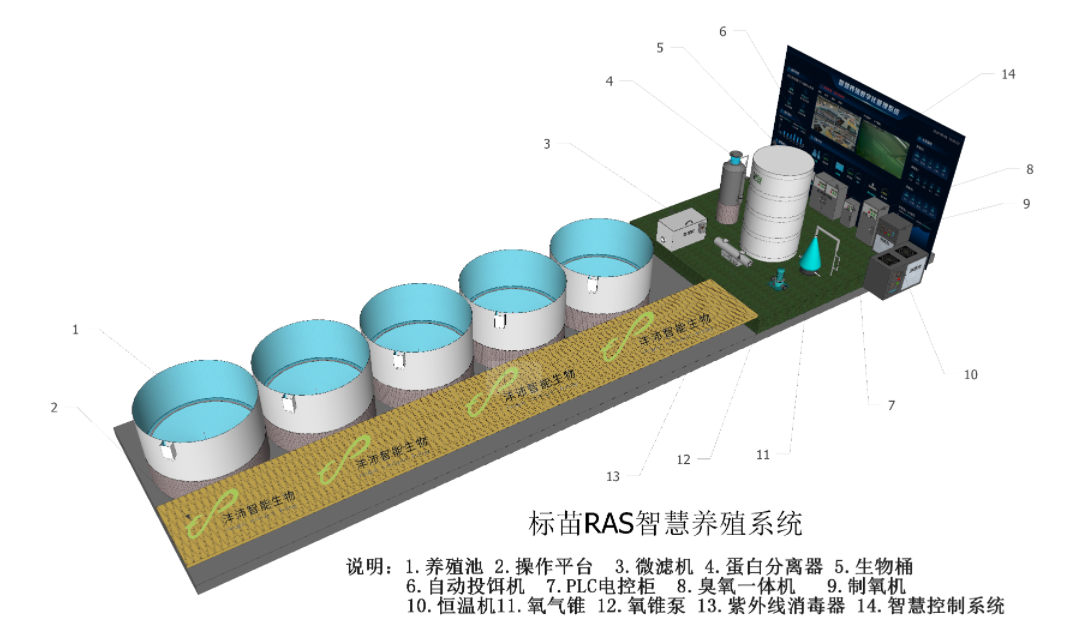
What are its core strengths?
1. Precise control to improve the survival rate
The factory recirculating aquaculture system realizes the precise control of growth conditions such as water quality, temperature and light through precision equipment and advanced technology. This precise management provides a stable and suitable growth environment for the seedlings and effectively reduces the risk of declining survival rate caused by fluctuations in the natural environment. In the circulating water system, the seedlings can enjoy the best growth conditions, thus greatly improving the survival rate and laying a solid foundation for subsequent breeding production.
2. Resource saving, environmental protection and high efficiency
Traditional aquatic seedling breeding often depends on a large number of natural water resources, and the water quality is difficult to guarantee. The factory recirculating aquaculture model greatly reduces the water consumption in the aquaculture process by recycling water resources. At the same time, through advanced purification technology, the system can effectively remove harmful substances in the water body, ensure clean water quality, and reduce the pollution of aquaculture to the environment. This resource-saving and environmentally efficient feature makes the factory recirculating aquaculture model a model for sustainable development of fisheries.
3. Intelligent management to improve production efficiency
With the integration of advanced technologies such as the Internet of Things, big data and artificial intelligence, the factory recirculating aquaculture model is becoming more and more intelligent. Through intelligent sensors and data analysis, farmers can monitor the growth status of seedlings and water quality changes in real time, achieving automated management and accurate decision-making. This intelligent management method not only improves production efficiency, but also reduces labor costs, making the breeding process more efficient and convenient.

4. Disease prevention and control to ensure quality and safety
In the factory recirculating aquaculture system, because the water quality is continuously purified and monitored, harmful microorganisms and pathogens are effectively isolated, thus greatly reducing the risk of seed infection. At the same time, through precise feeding and nutritional management, the immunity of seedlings has been enhanced, further improving the quality and safety of breeding. This advantage of disease prevention and control makes the factory recirculating aquaculture model the preferred production method for high-quality aquatic seeds.
5. Strong adaptability to promote industrial diversification
The factory recirculating aquaculture model is not limited by region and season, and can adapt to the needs of various species. Whether it is the conservation breeding of rare varieties or the rapid expansion of commercial varieties, this model provides a stable and reliable solution. This adaptable and flexible nature has promoted the diversified development of the fishery industry and provided more market opportunities and profit margins for farmers.

With its unique advantages, the factory recirculating aquaculture model is leading the aquaculture seedling industry to a more efficient, environmentally friendly and sustainable future. We expect that this technology can continue to innovate and create a better tomorrow for fisheries!