Factory recirculating aquaculture is widely respected for its high density, high efficiency and environmental protection.
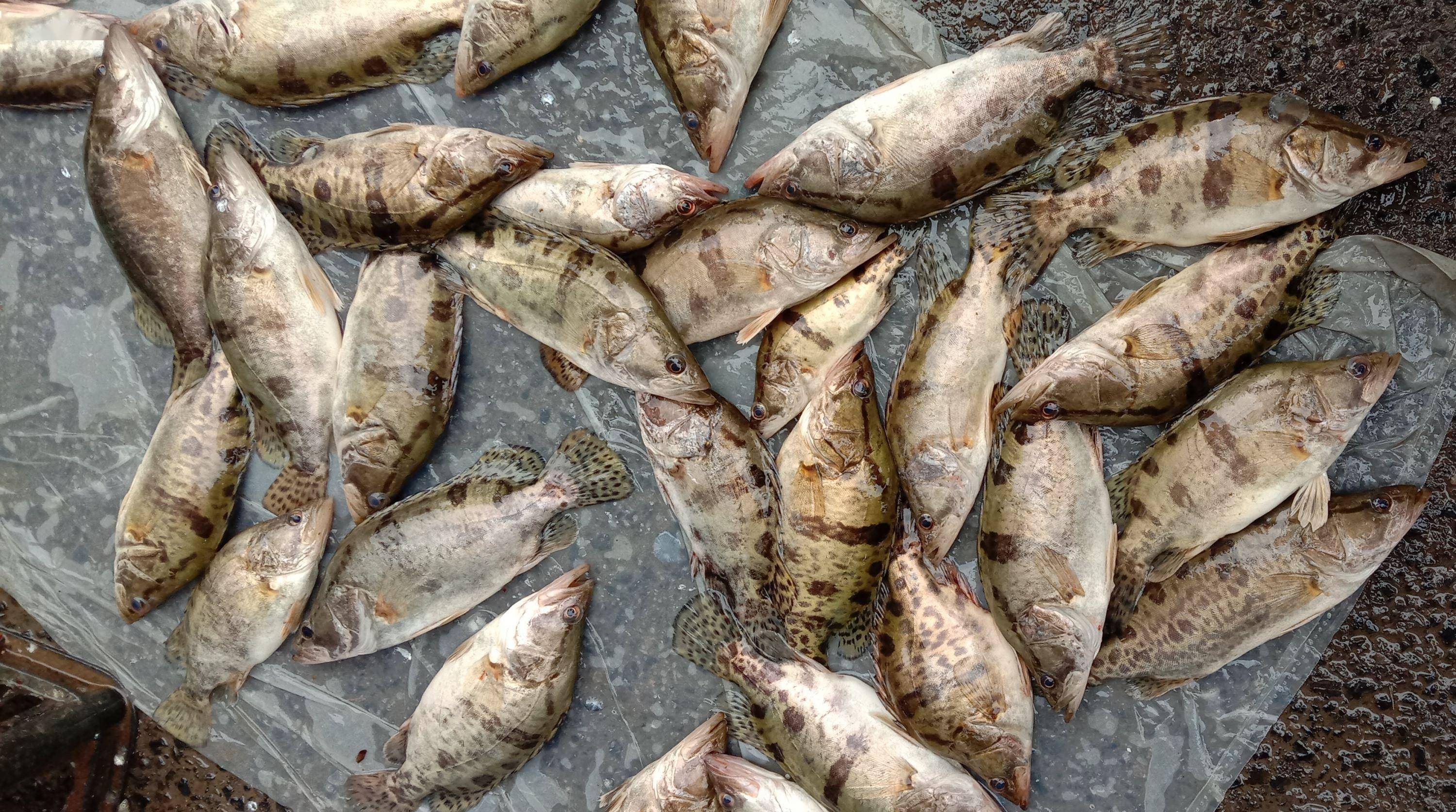
The Mandarin fish, a breed of high value + low cost + good market acceptance, also makes it popular with farmers.
When the industrial circulating water meets the Mandarin fish, it can be said that the combination of strong and strong in the aquatic industry.
So, what are the key points that we need to pay attention to when carrying out industrial circulating water farming Mandarin fish?

Breeding environment control
Water quality is the key to the success of Mandarin fish farming. Whether it is river water, well water or tap water, it needs to be treated in a reservoir to ensure that the water quality is up to standard or adequately aerated. During the breeding process, the water quality should be kept fresh and the transparency should be controlled above 40cm. During the breeding process, the water quality should be kept fresh, the water temperature is suitable, and the frequency and amount of water change should be adjusted according to seasonal changes.
Feed selection and feeding
Feed quality directly affects the growth rate and health status of Mandarin fish. In the early stage, high-quality slow sinking feed can be selected, which has good shape and comprehensive nutrition, and can attract the intake of Mandarin fish to achieve the imitation ecological effect. Late slow sinking feed and expanded floating feed can be used, but the feed particle size should be adjusted with the growth of Mandarin fish. When feeding, it is necessary to determine the amount and frequency of each feeding according to the number and speed of grabbing fish to avoid feed waste and damage to water quality. The feeding rate is affected by many factors such as water quality, climate and water temperature, and needs to be adjusted flexibly according to the actual situation.
Fish disease prevention and treatment
The prevention and treatment of fish disease should be based on prevention. Preventive measures include ensuring the quality of feed, regularly disinfecting the aquaculture pond water with mild disinfectants, regularly adding bile acid, eucommia extract and other mixed feeding, protecting the liver and intestines, antiviral and anti-stress. In addition, the screening specification and cleaning tank operation should be light to avoid fish body injury, because injured mandarin fish are more susceptible to disease.
Regular seeding
With the growth of Mandarin fish, individual differences will gradually emerge. In order to ensure the overall survival rate, it is necessary to regularly screen the specifications, and the same batch of Mandarin fish with the same specifications are divided into various breeding ponds according to the same breeding density to avoid the situation of big fish eating small fish. This can not only facilitate the feeding management of farmers, but also facilitate the observation of the growth of mandarin fish.
Daily management
Day-to-day management is equally important. In view of the strict requirements on water quality of Mandarin fish, the water quality indicators of aquaculture ponds must be strictly monitored in aquaculture management, such as ammonia nitrogen, nitrite, pH value and dissolved oxygen, etc., to ensure stable water quality.
In particular, once the content of nitrite exceeds the standard, the Mandarin fish is easy to get sick and even die.
In addition, the culture of Mandarin fish also needs to ensure a high dissolved oxygen environment, but under the condition of high dissolved oxygen, ammonia nitrogen is more easily converted into nitrite.
Therefore, when adopting circulating water system to breed Mandarin fish, it is very important to maintain adequate aeration for oxygen supply. Meanwhile, it is a more effective method to optimize water quality management by increasing the frequency of water circulation and biochemical treatment capacity.
