In factory recirculating aquaculture, biological fillers, as an important part of water purification, bear the heavy responsibility of removing harmful substances and maintaining water quality balance.
However, when the biological filler cannot successfully hang the film, it will not only affect the water purification effect, but also threaten the stable operation of the entire breeding system.
So how do we deal with this problem?
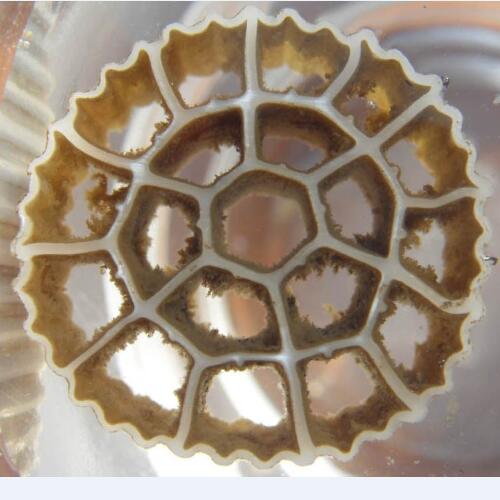
First of all, let's analyze why the biological filler will not hang the film?
Under normal circumstances, biochemical filler culture is cultivated by adding the corresponding nutrients, fertilizers, organic residues, etc. During the cultivation process, the water temperature and pH value of the biochemical tank should be kept constant. The suitable temperature for the growth and propagation of nitrifying bacteria is between 20-30℃, and the suitable pH value range is 7-8.
Biological fillers will not hang the film usually because of the following reasons:
1, the water temperature is not up to standard or the fluctuation is too large: the water temperature is lower than 20° or higher than 30° or the water temperature is too large, will lead to nitrifying bacteria can not adapt to the environment and die.
2, PH value is unstable: too high or too low pH value will inhibit the growth of nitrifying bacteria.
3, nutrients are not up to standard: nitrifying bacteria are through the absorption of various chemical substances in the water to carry out activities, in addition to ammonia nitrogen, but also need an appropriate amount of carbon sources (such as sugars) to promote the growth and reproduction of nitrifying bacteria.
4, the material and shape of the filler is unreasonable: the material and shape of the biological filler directly affect the adhesion effect of microorganisms. If the surface of the filler is too smooth or the material is not suitable for microbial growth, it will be difficult to form a stable biofilm.
5, water flow speed: too fast water will wash away the newly formed biofilm, and too slow water flow may lead to excessive impurities deposited on the surface of the filler, affecting the attachment of microorganisms.

Knowing what the problem is, we can deal with it
How to improve the effect of biological filler film hanging?
1. Keep the water temperature and pH value of the biochemical pool constant: use the thermostat to adjust the temperature when the temperature is too high or too low; Add baking soda, increase aeration to increase PH, add acid to reduce PH.
2, optimize the selection of filler: select the material and shape of the filler suitable for microbial growth and adhesion. For example, choose a filler with a rough surface and good water permeability to increase the adhesion area and stability of microorganisms.
3, improve water quality conditions: by adjusting the content of nutrients in the water quality, dissolved oxygen and other indicators, to provide a suitable environment for the growth of microorganisms. At the same time, regular testing of water quality indicators to ensure stable water quality.
4, reasonable control of water flow speed: according to the type of biological fillers and the actual situation of the farming system, reasonable adjustment of water flow speed. Ensure that the water flow can meet the growth needs of microorganisms without washing away the formed biofilm.
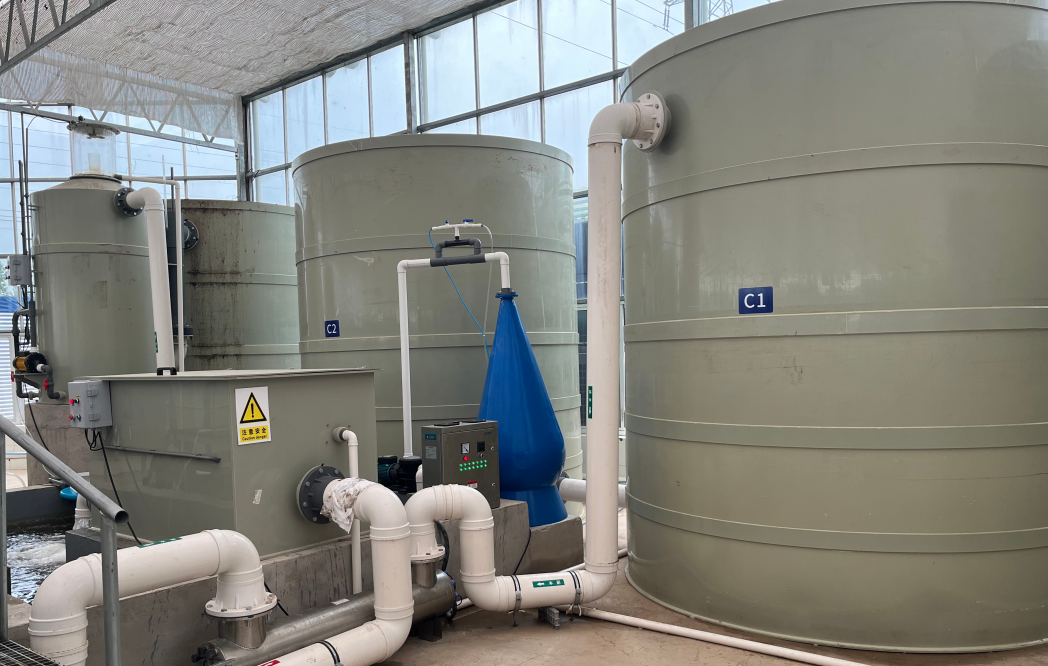
In addition to the above points, we also need to realize that under normal circumstances, the biofilm is difficult to detect in the early stage of formation (within 30 days).
Perhaps the most noticeable change during this period is only a slight adjustment in the color of the filler, and as the whole culture process continues to advance, the biofilm will gradually become visible on the filler.
Therefore, when we fail to observe the formation of biofilms with the naked eye, do not rush to add strong strains, which may cause damage to the newly established biological system.
How to determine whether the biofilm is successful? In addition to relying on the naked eye to observe its thickness, it is also achieved by testing the water quality of the biochemical tank. Specifically, it is to compare whether the various pollutant indicators of the inlet and outlet of the biochemical tank have decreased, so as to evaluate whether the biochemical system has successfully completed the process of bacterial cultivation and membrane hanging.
